Flip, Slide, and Learn: Puzzle Games for Kids 9+
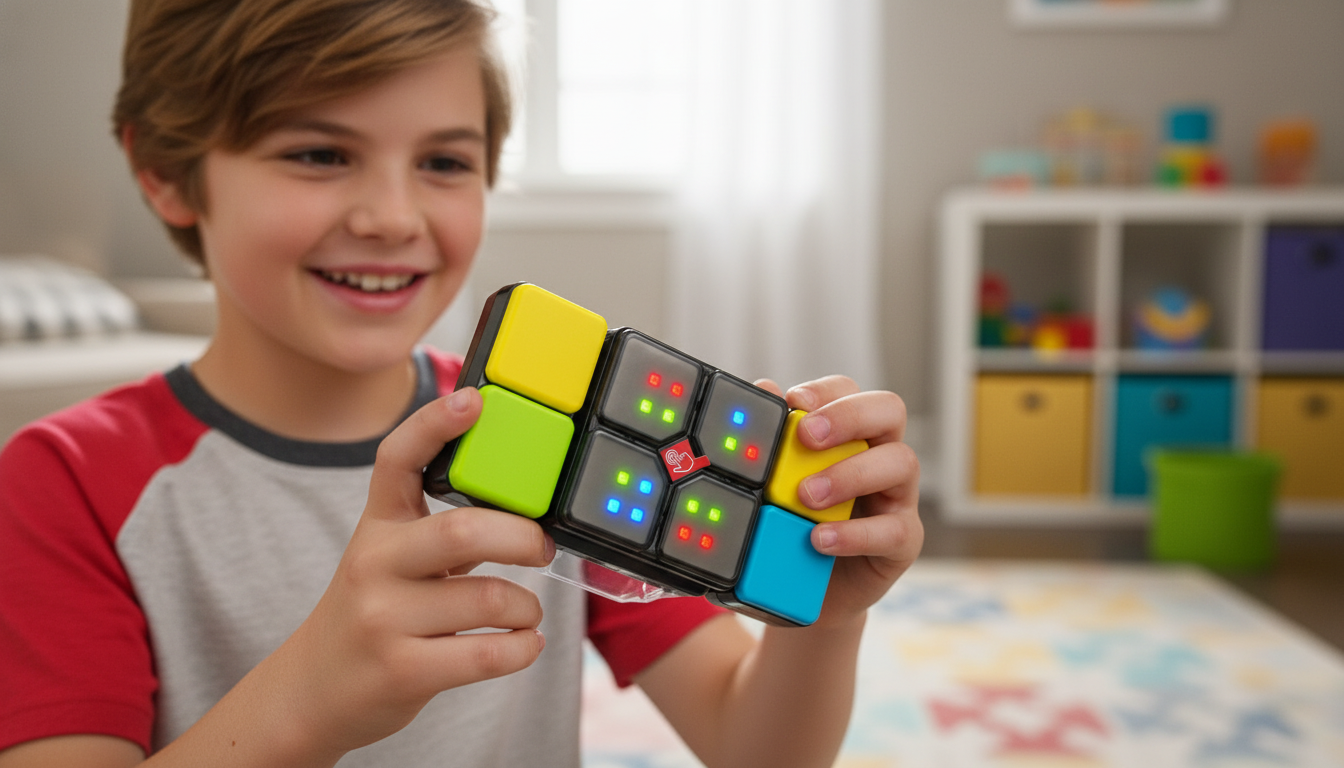
Flipslide is a fast-paced electronic puzzle game that engages kids in skill-building activities. It promotes quick reflexes, focus, and memory through multiple… — Amazon
The Brain-Boosting Benefits of Puzzle Games for Ages 9+
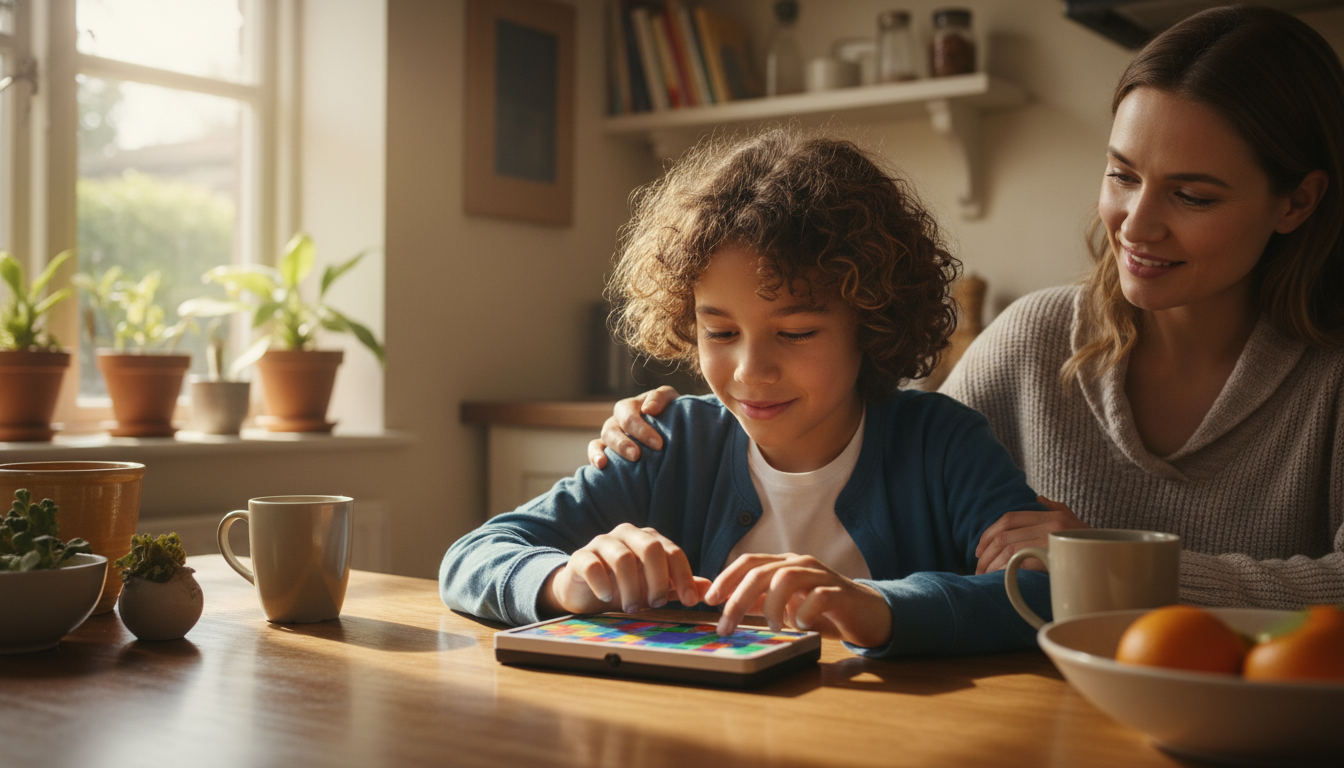
Imagine your nine-year-old completely absorbed in a colorful handheld puzzle, fingers zipping as sequences twist and colors flash—while you enjoy your coffee, secretly admiring that focused playtime. Puzzle games aren’t just fun distractions; they’re powerful brain workouts for your pre-teen, enhancing memory, reflexes, dexterity, and problem-solving skills.
In today’s guide, we explore why puzzle games for kids 9 and older are a must-have, highlight the incredible benefits of the Flipslide Puzzle Game for Skill and Dexterity, and share tips on choosing puzzles that transform play into meaningful growth.
Let’s uncover the key skills your child develops through these engaging handheld puzzles:
1. Memory and Reflexes — Your Child’s Dynamic Duo
Matching patterns and remembering sequences isn’t busywork—it’s brain training! Puzzle games challenge kids to hold information in working memory and make quick decisions, sharpening focus and lightning-fast reflexes. The payoff? Better concentration in school and faster thinking in everyday moments—like spotting the last cookie before a sibling does.
2. Fine Motor Skills and Dexterity — Small Hands, Big Achievements
Sliding tiles, flipping buttons, tapping patterns—these activities demand precise hand movements. This builds stronger finger muscles, improves hand-eye coordination, and boosts dexterity, making activities like writing, tying shoes, and playing instruments easier and more enjoyable.
3. Problem-Solving and Cognitive Flexibility — Gymnastics for the Brain
Puzzle games encourage kids to think quickly, switch strategies, and detect patterns. This strengthens cognitive flexibility, helping them adapt to challenges and recover from mistakes—a vital skill both in and out of play.
4. Social Skills and Connection — More Than Solo Fun
Many puzzle games offer multiplayer modes that turn playtime into bonding time. Cooperative and friendly competition boost communication, patience, and teamwork—skills no textbook can replicate.
Key takeaway: Puzzle games are like brain-boosting Swiss army knives, blending memory, motor skills, and social savvy into one fun, developmental powerhouse.
Spotlight on the Flipslide Puzzle Game for Skill and Dexterity
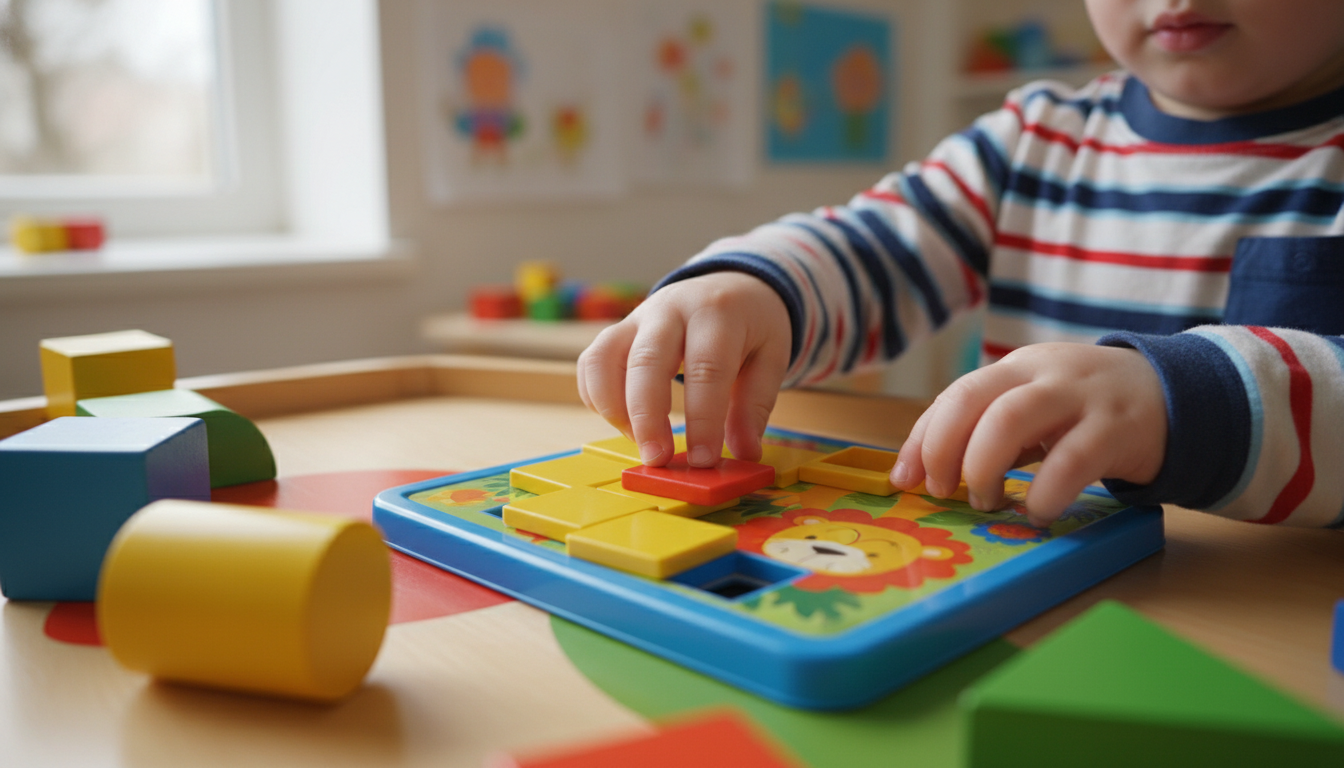
Meet the superstar handheld puzzle perfect for kids 9 and up: the Flipslide Puzzle Game for Skill and Dexterity. This compact device offers four exciting game modes that keep young minds engaged and fingers agile:
- Speed Mode: Race against the clock to match colors—training reflexes and focus.
- Multiplayer Mode: Challenge family and friends, sharpening social skills and teamwork.
- Level Mode: Progress through trickier puzzles that build perseverance and strategic thinking.
- Memory Mode: Recreate flashing color sequences to boost working memory.
The beauty of Flipslide is its portability—ideal for car rides, airport waits, or those quiet moments when you need a little peace. It shares a playful spirit with smart toys like the Move2Play Interactive Baby Ball with Music and Sound, which motivates movement and exploration through sound and touch. With Flipslide, every flip and slide delivers sensory-rich, educational fun.
What Experts Say: Puzzle Games Support Kid Development
The American Academy of Pediatrics highlights games that enhance fine motor skills, memory, and executive function as critical during late childhood. Executive functions are the brain’s control center for planning, focus, and juggling tasks.
Studies reveal that fast-paced puzzle games improve processing speed, problem-solving, and working memory. Multiplayer puzzles also foster social-emotional growth by encouraging cooperation and turn-taking.
Fine motor skill gains from these games translate into better handwriting, self-care, and confidence. So those tiny finger flips? They’re laying down the foundation for big successes.
Parent Pro Tips for Choosing the Perfect Puzzle Game
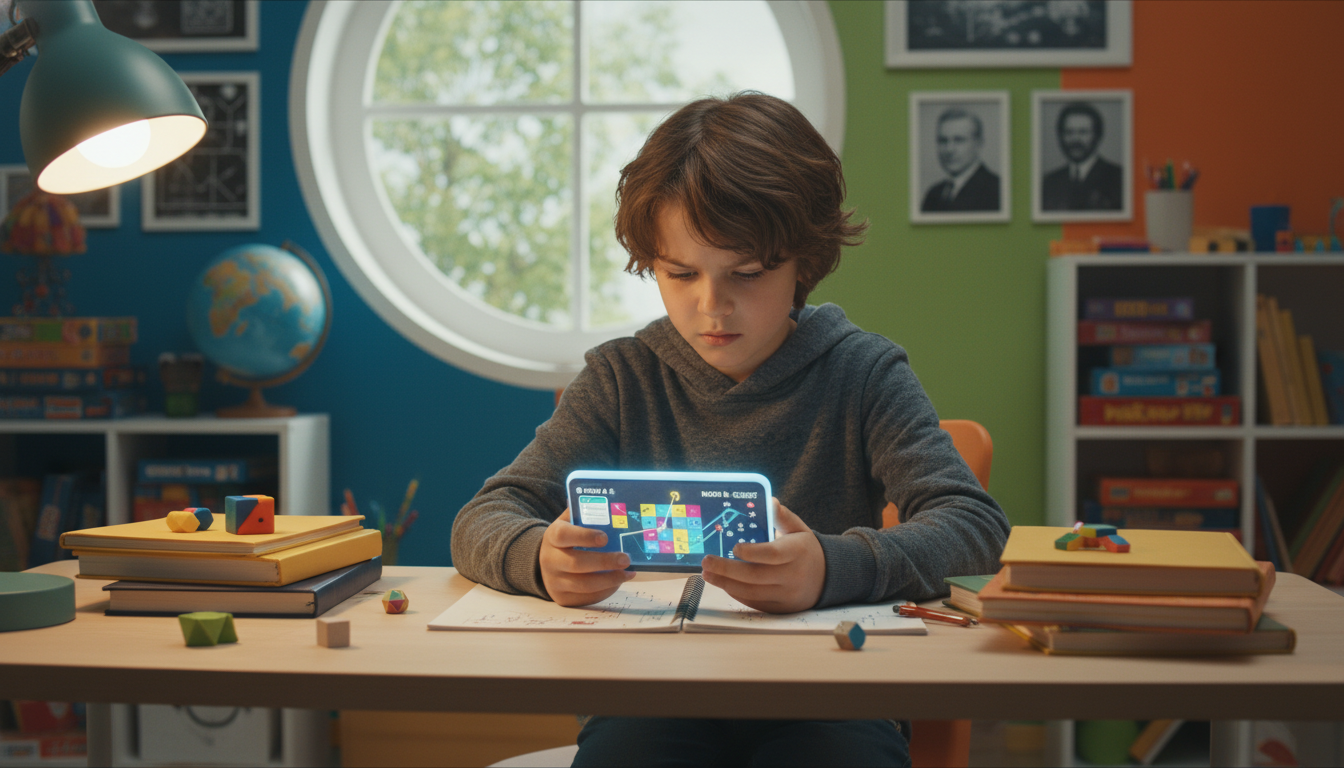
Looking for a handheld puzzle your child will love and that supports development? Keep these in mind:
- Diverse Game Modes: Games like Flipslide, with speed, memory, and multiplayer options, keep engagement high and skills varied.
- Portability: Lightweight and compact puzzles turn any waiting time into learning opportunities.
- Social Play: Multiplayer features promote communication and teamwork while doubling the fun.
- Balanced Screen Time: Choose games with clear goals and encourage breaks to maintain healthy habits.
- Child-Centered Challenges: Opt for puzzles that challenge without overwhelming to keep motivation strong.
Consider these questions:
- Does the game build a mix of memory, reflexes, and fine motor skills?
- Can it be enjoyed both solo and with others for social learning?
- Is it portable enough to be a go-to boredom buster on the move?
Final Thoughts: More Than Just a Puzzle
Puzzle games for kids 9 and up, especially gems like the Flipslide Puzzle Game for Skill and Dexterity, are compact powerhouses that combine fun with brain development. They sharpen minds, train hands, and create moments for family connection. Plus, they teach kids how to think flexibly and bounce back—skills that last a lifetime.
So go ahead: flip, slide, and engage curious minds—one puzzle move at a time. When play blends with purpose, every game is a win fo...