Unlocking Baby Potential with Montessori Sensory Toys
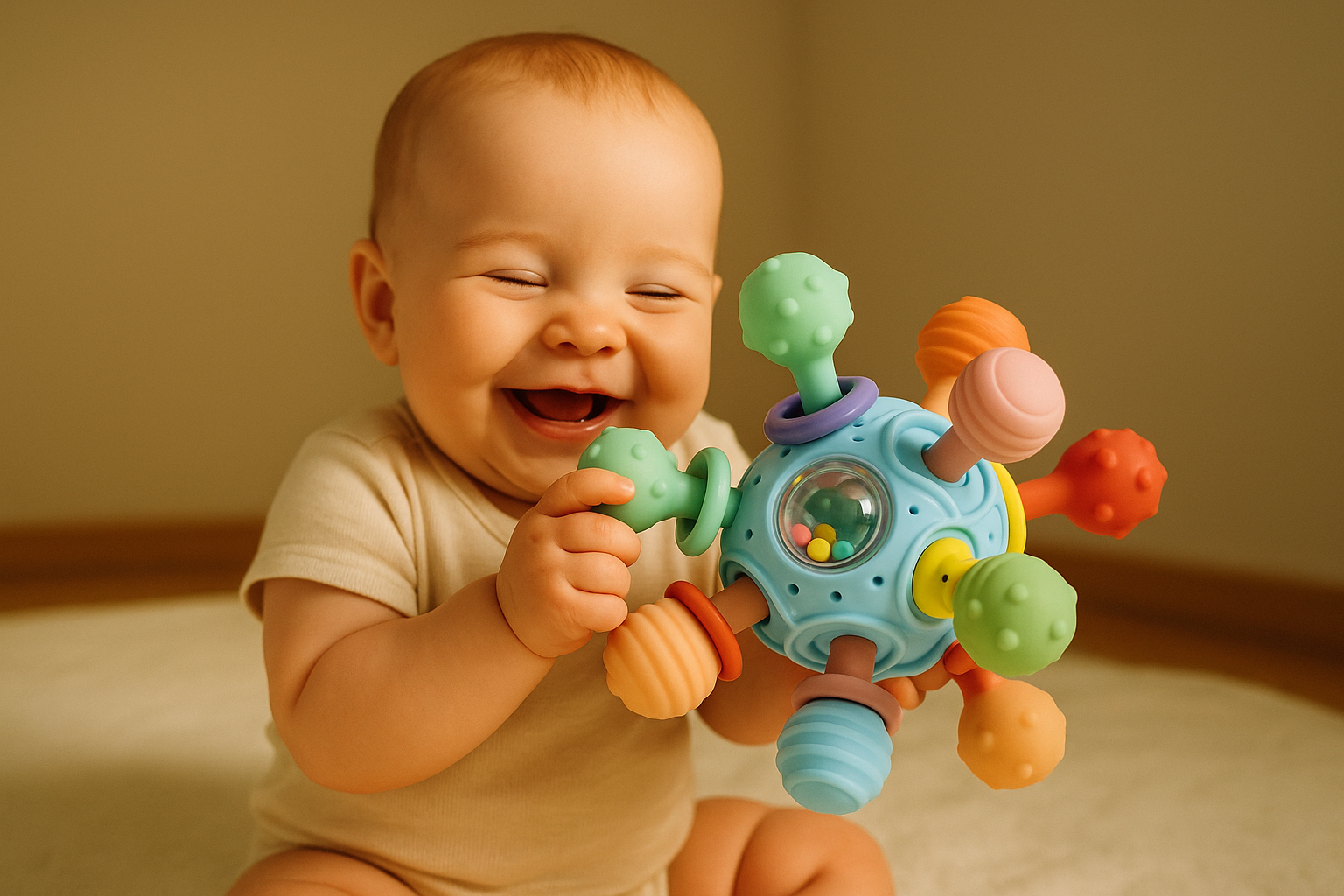
This multi-sensory teething toy features bright colors and textured silicone balls to engage your baby's senses and support early development. It encourages… — Amazon
Why Sensory and Motor Development Are Vital for Babies
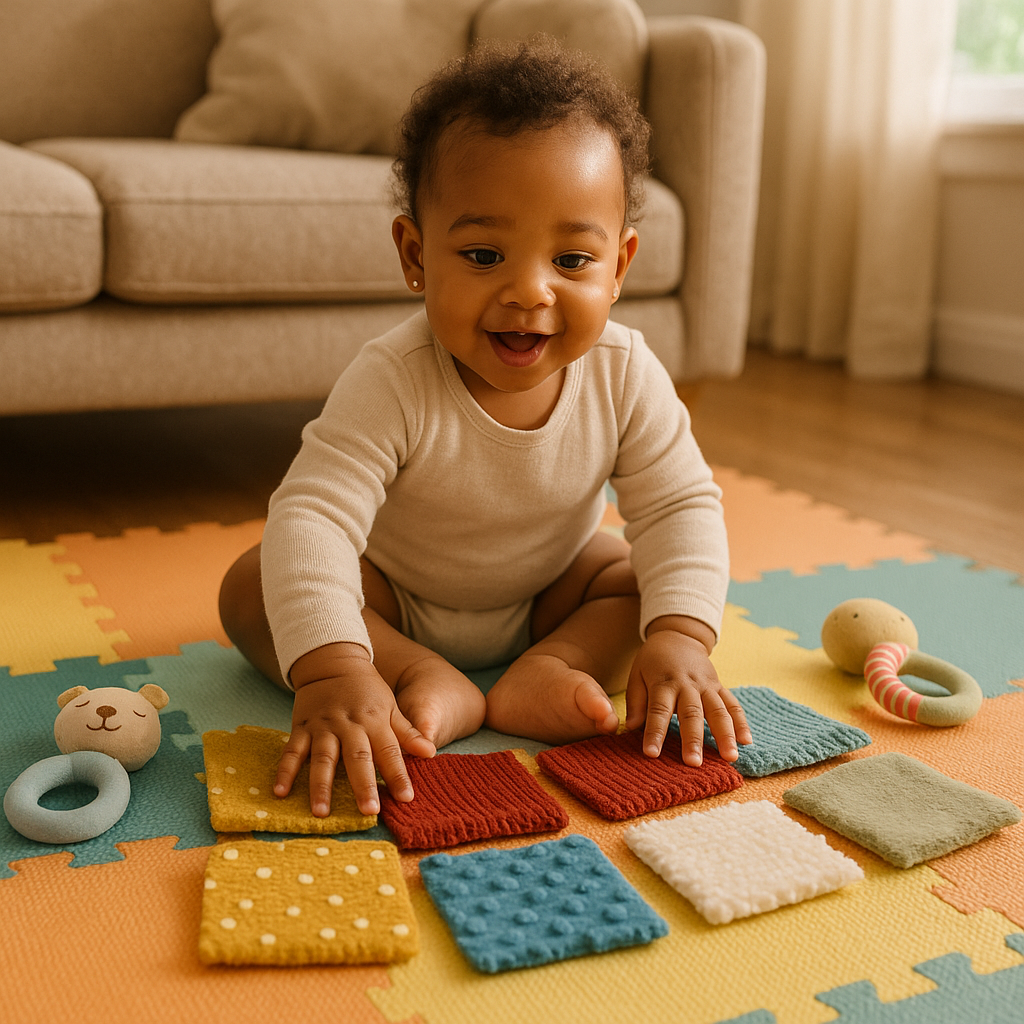
The wonder in your baby’s wide-eyed discovery—the soft touch of a new texture or the gentle jingle of a rattle—is more than adorable; it’s brain development magic! During those crucial first months, sensory toys become essential tools that spark curiosity, sharpen motor skills, and nurture emotional growth. Especially for infants and toddlers, Montessori sensory toys provide hands-on experiences that turn playtime into a rich learning adventure.
Baby brains are rapidly wiring connections in the first year, and sensory input fuels this extraordinary growth. From the soothing feel of a silicone teether to vibrant colors and gentle sounds, sensory stimulation lays the foundation for skills ranging from talking to problem-solving (American Academy of Pediatrics, 2024). Coupled with developing motor skills like grasping and reaching, these experiences build the strength and coordination babies need to explore their world and gain independence.
Every small movement—whether a wiggle, a reach, or a chew—is a vital step in your baby’s cognitive and physical journey.
How Montessori Sensory Toys Boost Key Milestones
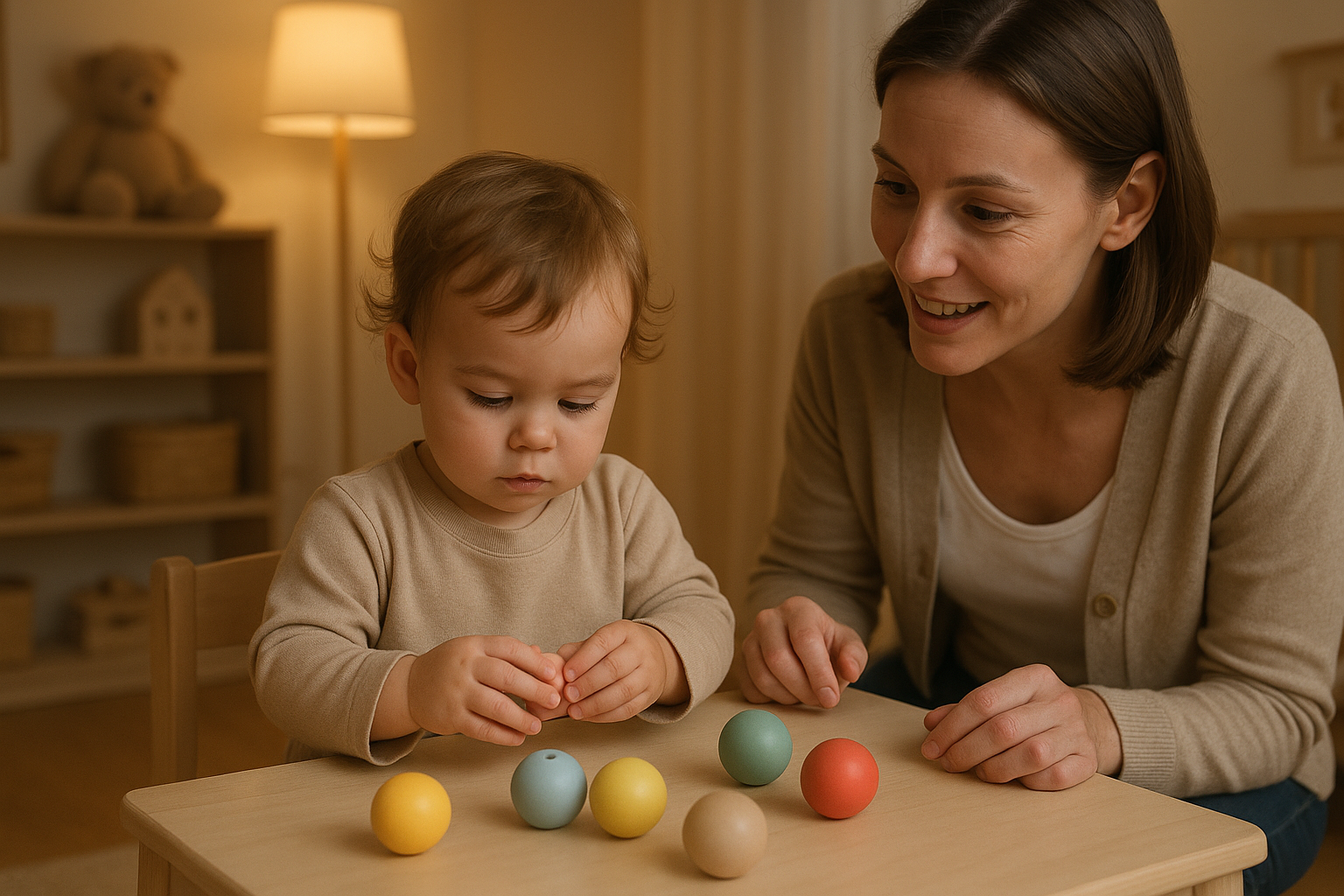
Montessori sensory toys offer a thoughtfully simple, distraction-free design that fosters learning through exploration. Here’s how they support your baby’s growth:
- Fine Motor Skills: Manipulating textured and shaped pieces like silicone beads encourages hand strength and finger dexterity.
- Full Sensory Engagement: Combining contrasting textures, bright hues, and soft sounds offers a sensory-rich environment.
- Cognitive Growth: Cause-and-effect toys, such as rattles or rolling balls, stimulate curiosity and early reasoning.
- Emotional Calm and Independence: Repetitive sensory activities soothe and empower babies to learn at their own pace.
- Language and Social Skills: Talking aloud about sensory experiences builds vocabulary and strengthens bonding.
Spotlight: Baby Montessori Multi-Sensory Teething Toy
Imagine a toy that captivates your baby visually, audibly, and through touch—all while doubling as a safe teether. The Baby Montessori Multi-Sensory Teething Toy is crafted for infants up to 12 months, blending textured silicone balls, rattles, and colorful rotating parts to engage multiple senses.
Tailored perfectly for the exciting 6-12 months exploration phase, this toy encourages fine finger movements, coordination, and problem-solving, wrapped in charming Montessori simplicity. Parents appreciate its natural materials and battery-free design—offering safe, interactive play that nurtures confidence and curiosity.
Why Sensory and Teething Toys Are Developmental Must-Haves
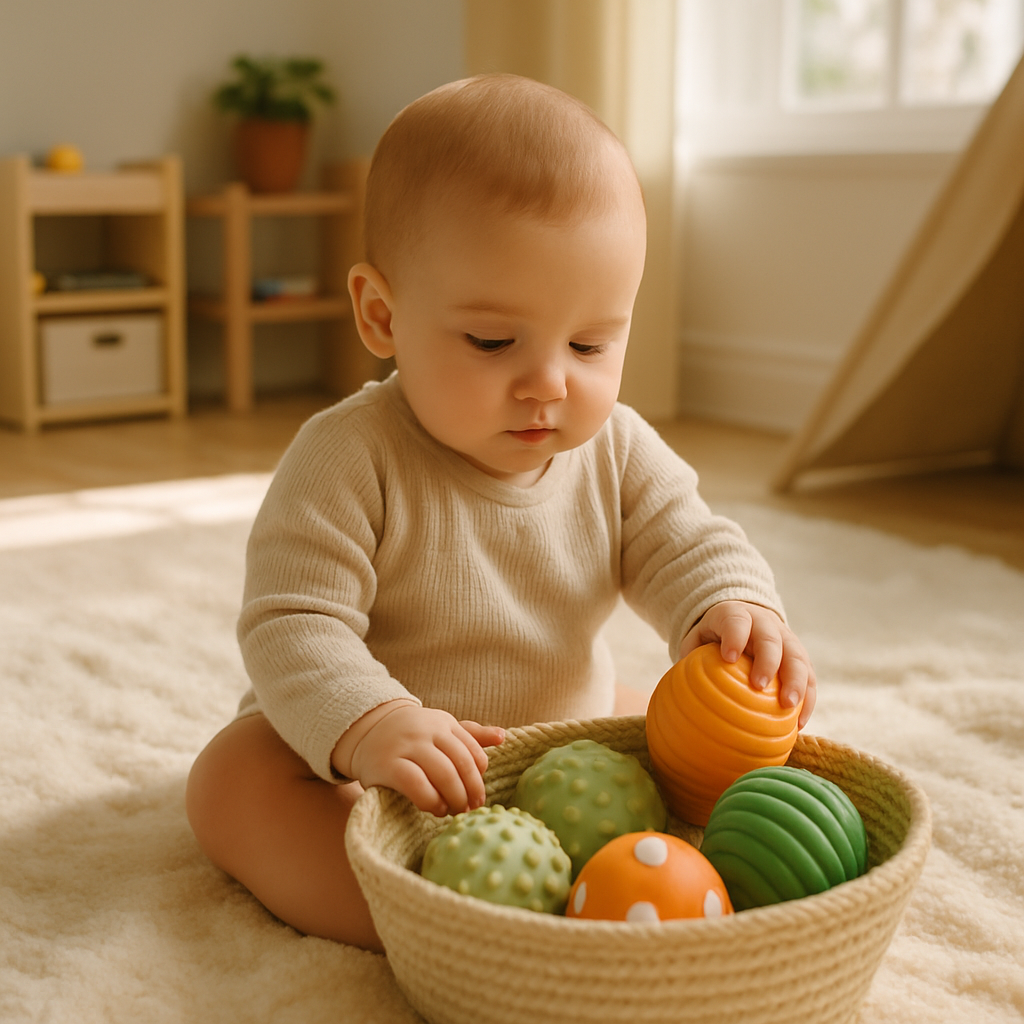
The American Academy of Pediatrics highlights that sensory play does more than entertain; it builds neural pathways essential for learning, memory, and sensory processing. Teething toys also strengthen oral muscles critical for chewing, feeding, and early speech milestones.
Babies’ babbles and chats during sensory play foster early language skills and social connections. Montessori sensory toys champion independent learning and emotional resilience, guiding little ones to solve challenges calmly, one twist or squeeze at a time.
Choosing well-designed baby Montessori sensory toys and multi-sensory teething toys means giving your child a joyful head start in development.
Tips for Choosing Sensory and Teething Toys
- Prioritize Safety: Select BPA-free, non-toxic materials like food-grade silicone or natural wood. Avoid small parts that could pose choking risks.
- Match Developmental Stage: Use softer, gentler textures and sounds for 0-6 months and more active manipulation toys for 6-12 months.
- Seek Multi-Sensory Features: Choose toys that combine texture, color, and sound for rich sensory input.
- Simplicity is Key: Montessori toys excel with focused, repetitive play rather than overstimulation.
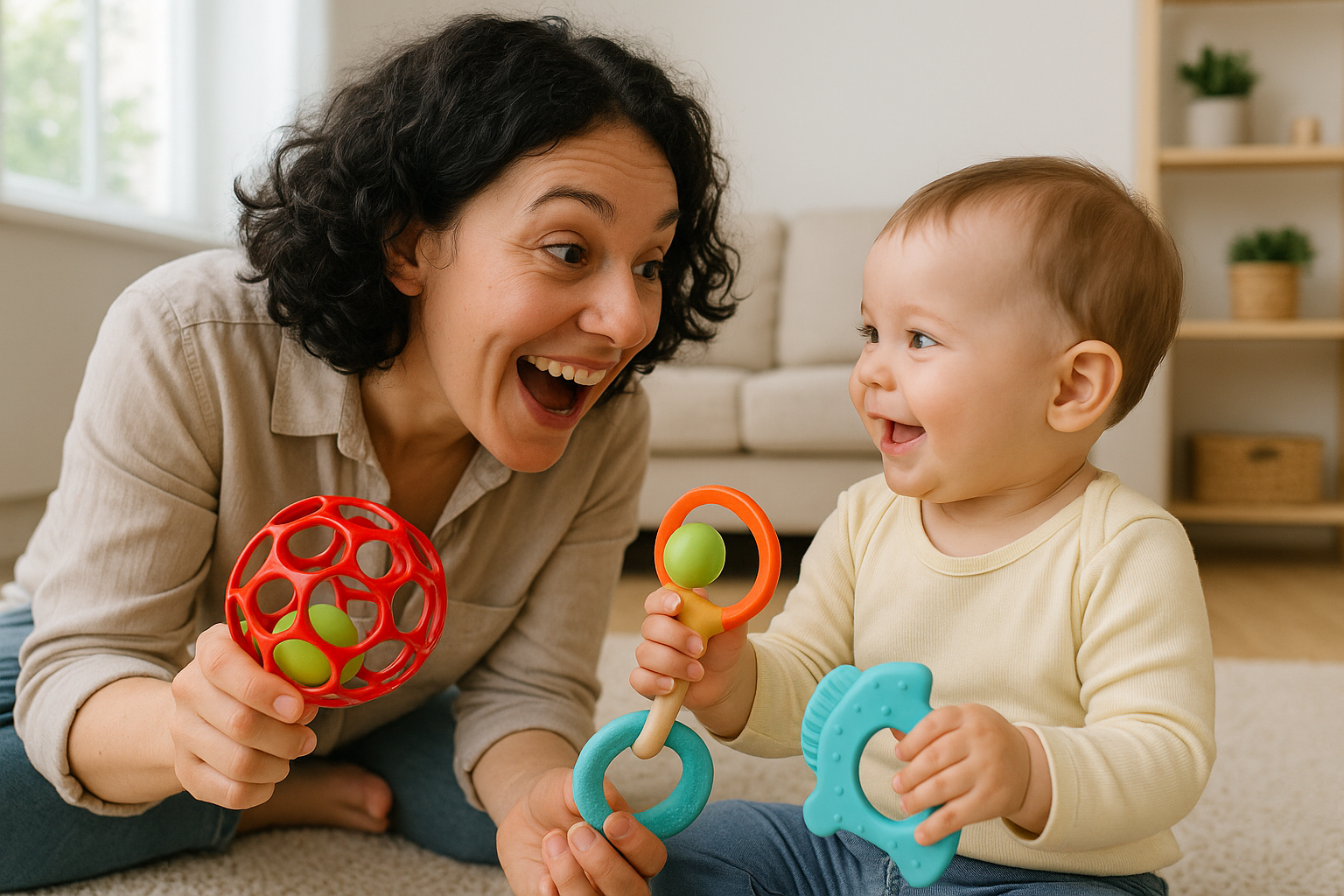
- Play Together: Narrate and engage with your baby to turn sensory play into bonding moments.
- Be Flexible: Pay attention to your baby’s evolving interests and preferences each day.
The Power of Interactive Play in Baby Development
Interactive toys, like the Move2Play Interactive Baby Ball with Music and Sound, provide responsive feedback that motivates movement, fine motor skills, and cognitive connection. While the Baby Montessori Multi-Sensory Teething Toy doesn’t use lights or music, it shares the Montessori commitment to gentle, engaging, and independent sensory exploration.
Conclusion: Laying the Groundwork Through Thoughtful Sensory Play
Montessori sensory toys are like little architects designing your baby’s future brain pathways through joyful and simple discovery. By fostering motor skills, sensory integration, cognitive curiosity, and oral motor development, toys such as the Baby Montessori Multi-Sensory Teething Toy offer far more than entertainment—they build developmental foundations.
As parents, offering these meaningful toys is creating a rich sensory world that encourages learning, emotional strength, and early communication. Embrace the Montessori approach: simple toys, big learning, and lots of love.
Reflection Tips Before Picking Baby Sensory Toys
- Does the toy engage multiple senses safely and meaningfully?
- Is it suited to your baby’s current stage and changing interests?
- Does it encourage hands-on, independent exploration while offering comfort?
A few thoughtful questions will guide you to the perfect baby Montessori sensory t...