Preschool Learning Activities That Boost Early Skills
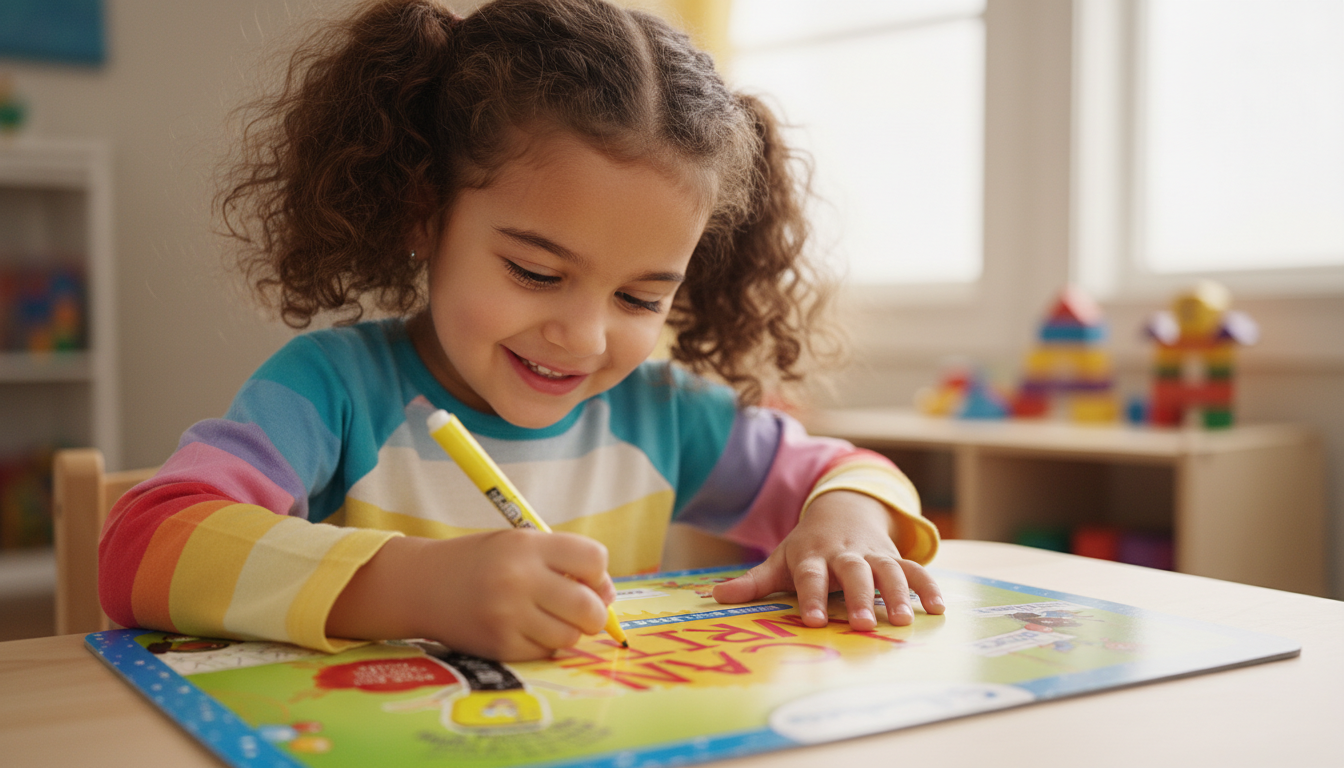
These reusable activity mats support preschoolers in practicing reading, writing, and problem-solving skills. Designed for repeated use, they encourage fine… — Amazon
The Developmental Wins of Preschool Learning Activities
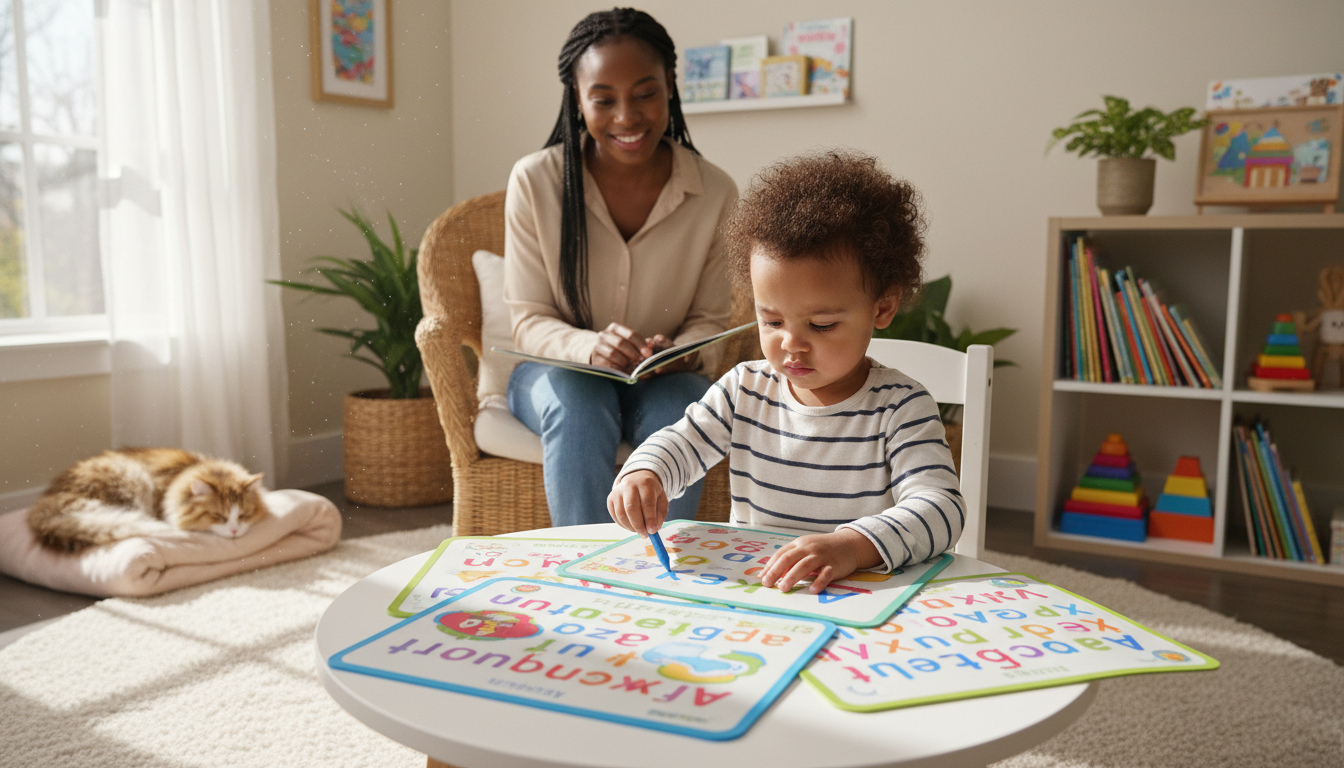
Preschoolers are eager explorers, sleeves rolled up, ready to discover. When play has purpose, simple activities unlock a bouquet of developmental benefits:
Fine Motor Skills
Those tiny finger muscles working overtime? It’s no accident. Whether your toddler is gripping crayons, tracing letters, or fiddling with buttons, they’re building fine motor control—the essential groundwork for handwriting, dressing independently, and even managing a fork without redecorating the walls.
Problem-Solving Skills
The classic toddler puzzle challenge—"Where does this piece go?"—teaches cause and effect, logical sequencing, and shape matching. These activities flex your child’s cognitive muscles, nurturing resilience and flexible thinking to tackle bigger problems, both in play and in life.
Language and Literacy Readiness
From first words to letter recognition, preschool years are a language explosion. Engaging activities like storytelling, letter tracing, and reading ramp up vocabulary and phonemic awareness—key foundations for successful reading and spelling.
Sensory and Emotional Growth
Sensory play with different textures, sounds, and movements is more than fun noise; it helps build neural connections and supports emotional regulation. Through tactile and auditory experiences, your child learns to calm down, get excited, and satisfy their natural curiosity.
Bottom line: Every scribble and solved puzzle piece grows a symphony of skills that echo through your child’s education and daily life.
Meet Skillmatics I Can Write: Reusable Educational Toys for Toddlers
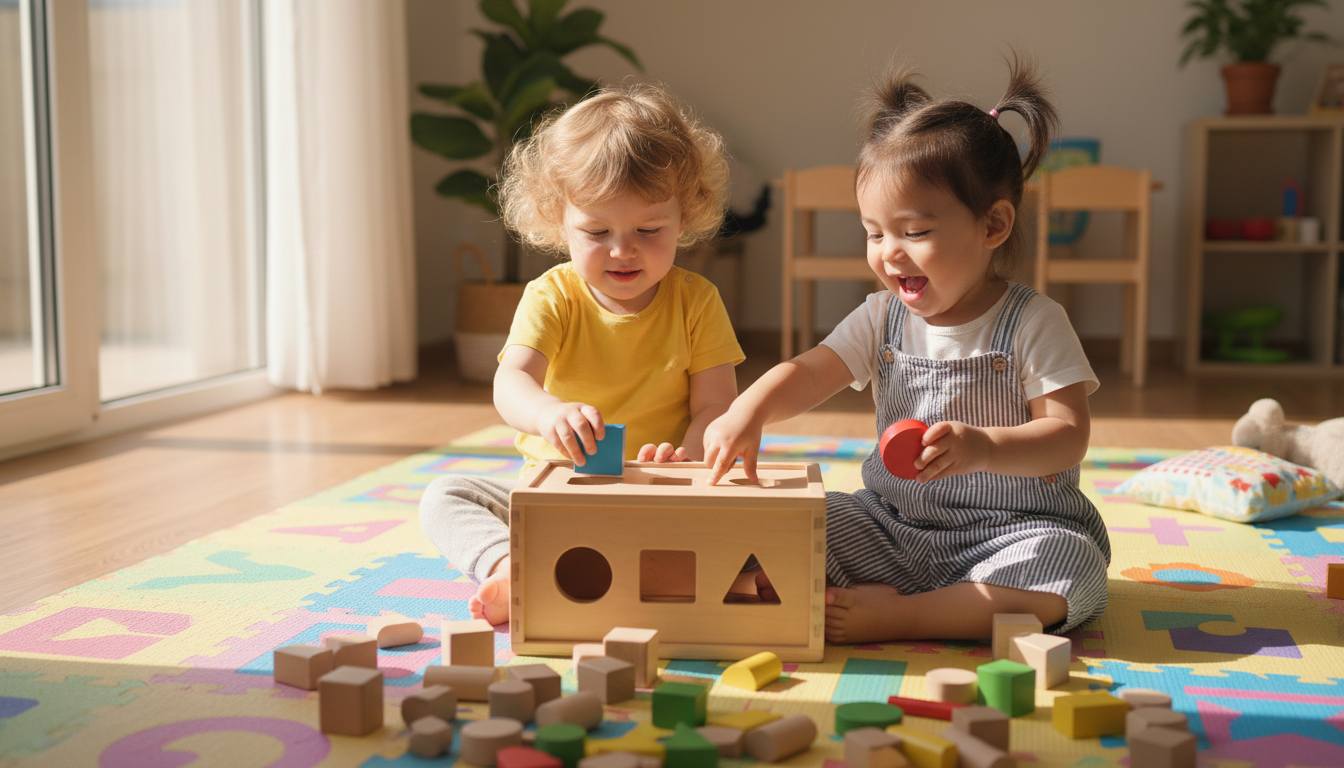
Introducing the hero of sustainable skill-building: the Skillmatics I Can Write Reusable Learning Activity Mats. If you want reusable educational toys for toddlers ages 3 to 6 that mix fun, practicality, and a pinch of eco-consciousness, these mats are a game-changer.
Here’s why:
- Fine Motor Skill Development: Tracing letters sharpens dexterity, hand control, and proper pencil grip—all with no permanent mistakes. Bonus: repeated practice strengthens muscle memory.
- Writing Practice for Kids Ages 3 to 6: These mats invite kids to try, erase, and try again, boosting confidence and deepening letter familiarity.
- Problem-Solving Games for Ages 3 to 4: Built-in puzzles and matching games make critical thinking a natural outcome of play—like turning shape sorting into a little magic act.
- Sensory Learning: Interaction with smooth mats and writing tools stimulates touch and sight simultaneously, helping knowledge stick.
Imagine your preschooler eagerly asking, “Again!” instead of “I’m done.” These reusable mats make repetition guilt-free, help reduce paper waste, and keep fun and learning hand-in-hand.
What Experts Say About Preschool Learning Activities
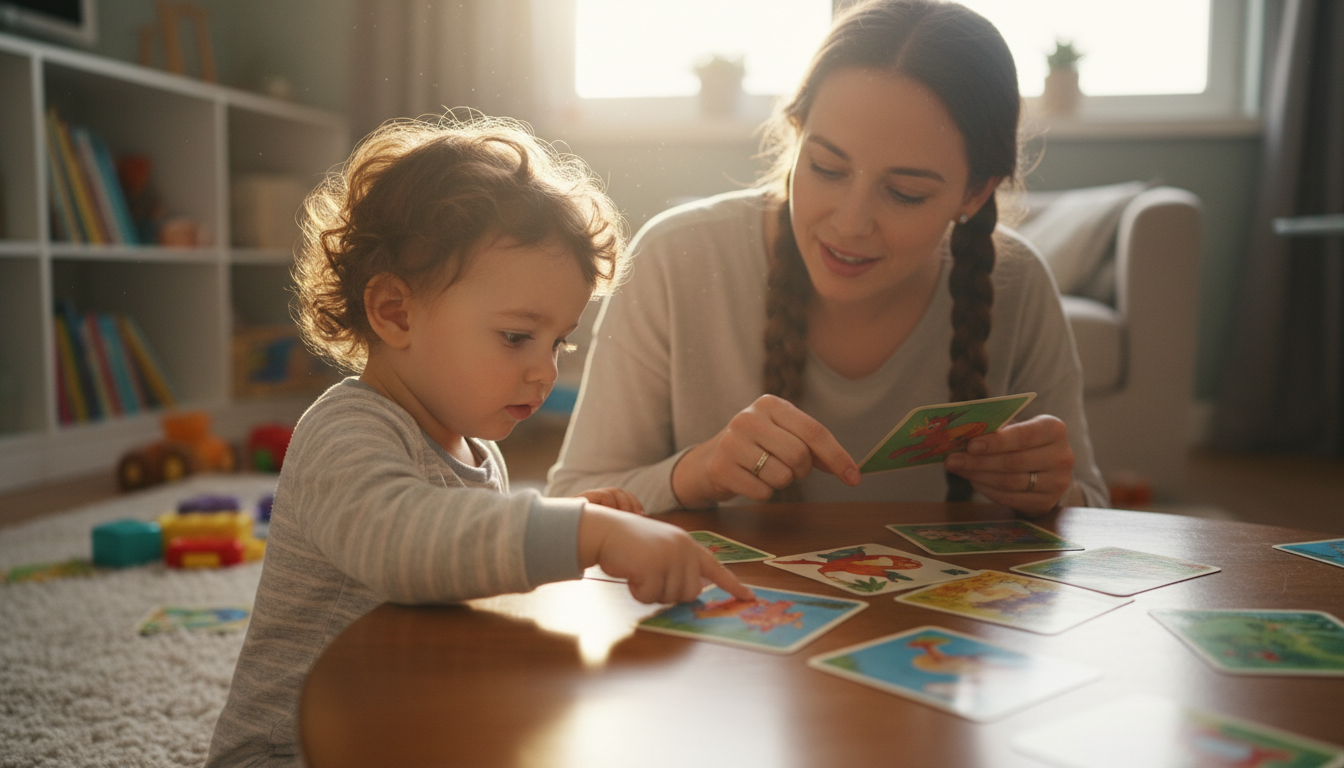
To keep it simple: The American Academy of Pediatrics emphasizes that play is a powerful engine for brain growth, nurturing key skills like attention, memory, and self-control—critical for smooth school transitions.
Research also links strong fine motor skills in preschool to better performance in reading and math down the road. Think of it as laying a solid foundation before building a skyscraper. Educational toys that engage multiple senses and invite repetition—like Skillmatics mats—supercharge enthusiasm and retention.
Reusable toys aren’t just eco-friendly; they support personalized pace and repeated practice, allowing children to learn comfortably and confidently. Adding sensory-rich, problem-solving play helps grow emotional intelligence, perseverance, and curiosity as well.
Parent-Friendly Tips to Maximize Preschool Learning
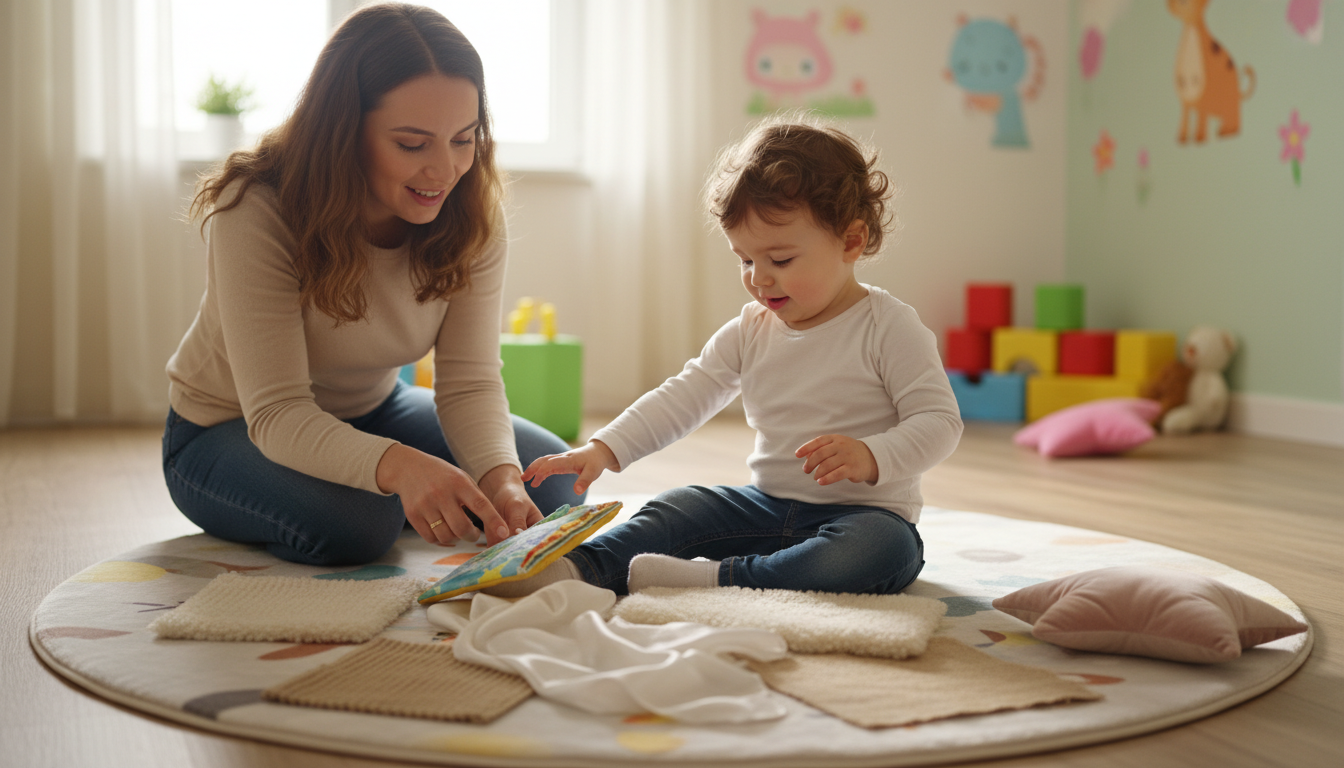
- Mix It Up: Combine fine motor toys, sensory bins, and puzzles to cover all developmental bases. Your toddler’s brain will thank you.
- Set a Routine: Dedicate small daily moments to reusable writing mats to build comfort through consistency—without pressure.
- Encourage Interactive Play: Toys like the Move2Play Interactive Baby Ball with Music and Sound use motion and sound to teach cause and effect while promoting motor skills—watch the giggles when it lights up and sings!
- Celebrate Every Effort: Every scribble or try matters. Praise liberally to nurture confidence and spark curiosity.
- Ask Thoughtful Questions: Instead of "Did you do this perfectly?" ask, "Which letter or shape was your favorite to draw?" This invites reflection without stress.
Choosing the Right Preschool Learning Tools
Before buying a new educational toy, ask yourself:
- Does it support multiple skill areas—fine motor, problem-solving, language, or sensory?
- Is it reusable or adaptable, encouraging lots of practice?
- Will it engage my child’s curiosity and confidence playfully and gently?
In Conclusion: Growing Through Play and Repetition
Preschool learning activities are more than kindergarten prep—they nurture curiosity, resilience, and self-expression that flourish for a lifetime. Toys like the Skillmatics I Can Write Reusable Learning Activity Mats make practicing core skills joyful, repeated, and meaningful.
As you build your child’s learning toolbox, remember: fun plus exploration plus encouragement equals success. With the right reusable toys and patient guidance, your preschooler will thrive—crayon in hand, ready to create their own story.
Top 3 Tips Before Your Next Educational Toy Buy:
- Choose toys that support multiple developmental areas for rich learning.
- Opt for reusable, eco-friendly materials to encourage endless practice.
- Let your child help pick activities to boost excitement and ownership.
Together, we can empower our little learners to write, solve, and explore with confidence and joy!