Unlocking Toddler Growth with Pretend Play Kitchens
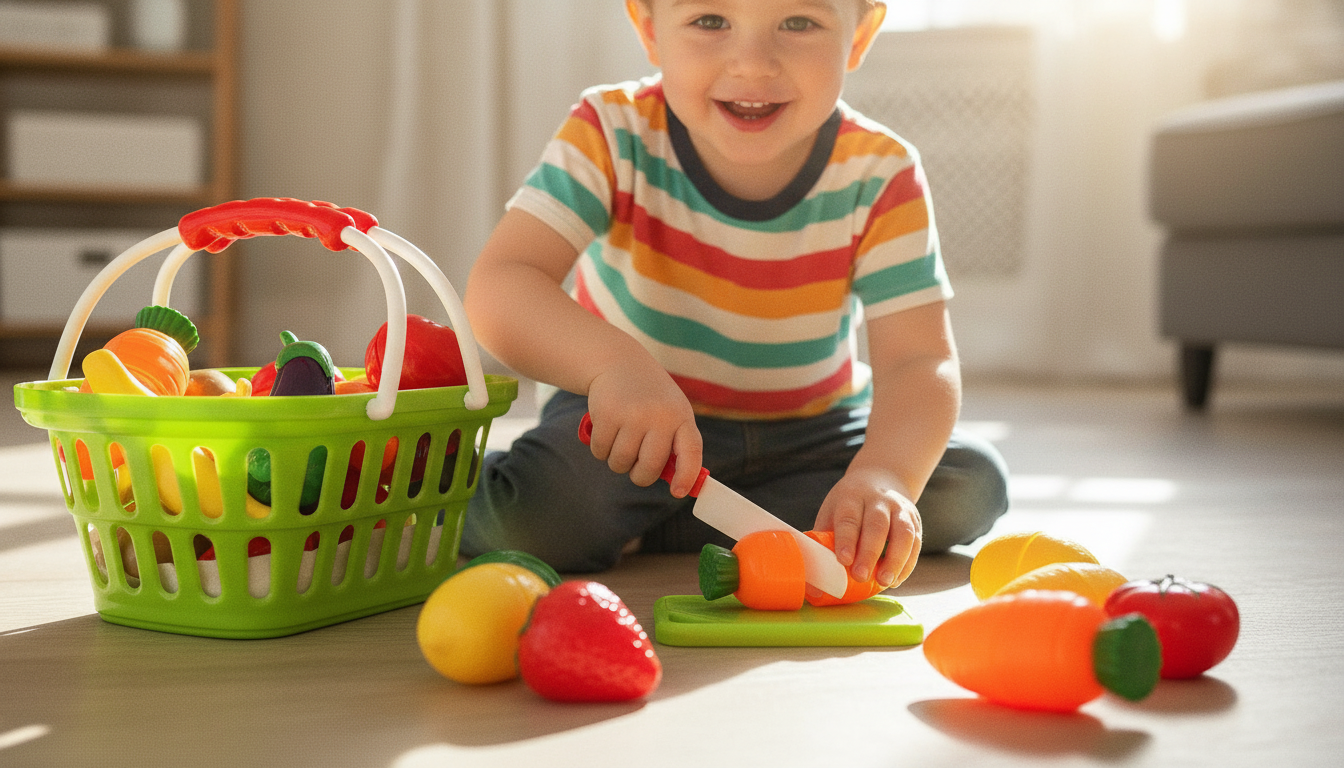
Encourage your child's imagination and fine motor skills with this 32-piece fruit and vegetable playset. Includes a child-safe knife and cutting board,… — Amazon
The Power of Pretend Play Kitchen Toys for Toddlers: Nurturing Skills Through Imaginative Cooking
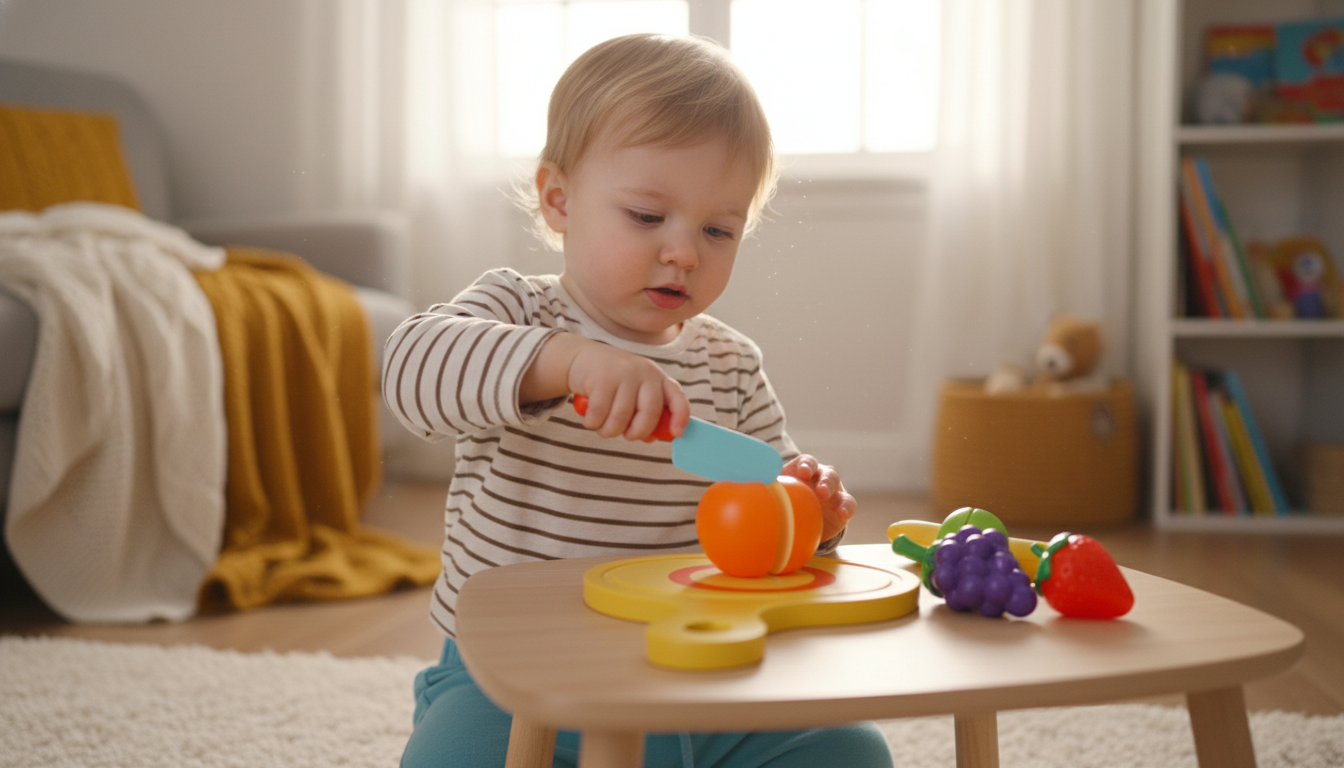
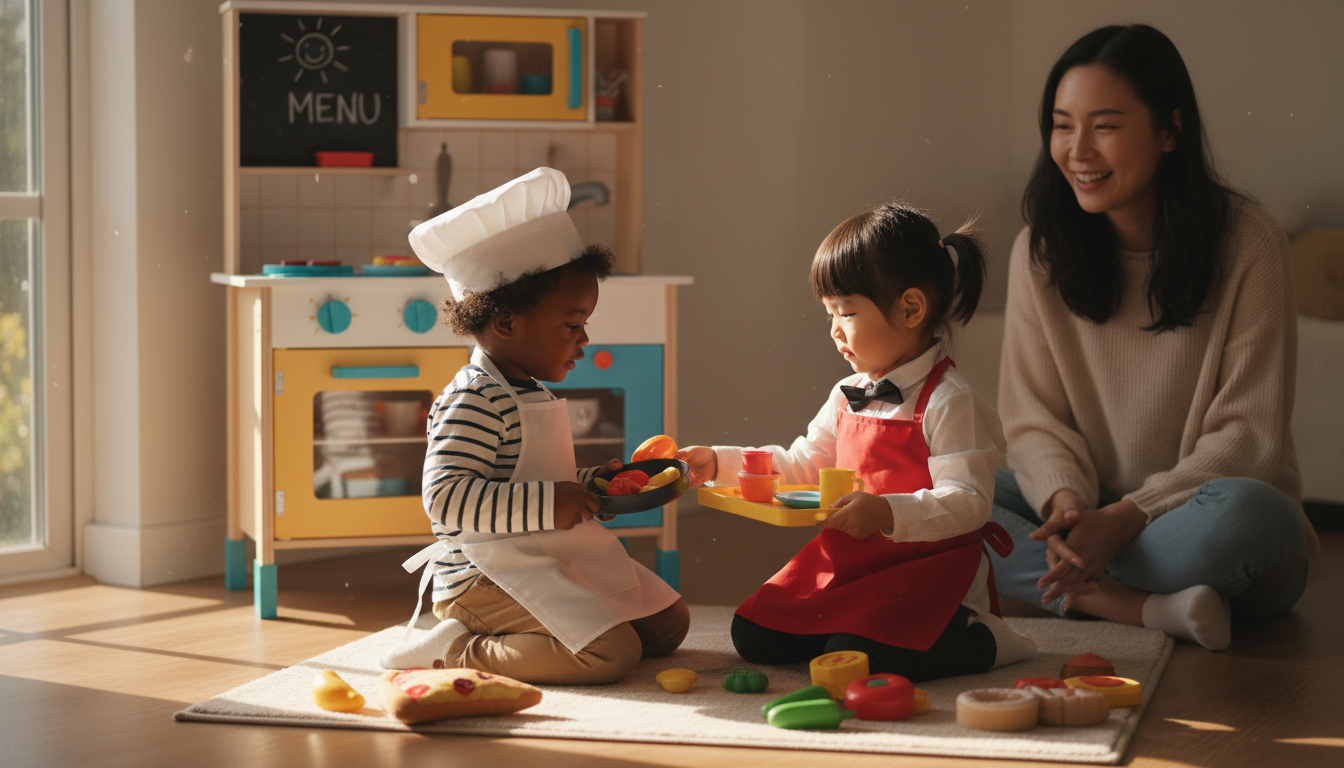
Imagine your toddler fully immersed in "chef mode," wielding a child-safe knife and surrounded by a colorful spread of plastic fruits and veggies, carefully "slicing" a bright red tomato before arranging it on a tiny plate. What looks like simple play is actually a rich learning experience in disguise.
Pretend play kitchen toys for toddlers—like fruit and vegetable sets, cutting boards, and safe toy knives—combine fun with early learning. These playful tools transform everyday kitchen activities into imaginative adventures where toddlers develop important skills that grow with their creativity.
Pretend kitchens let toddlers step into grown-up roles—cooking, serving, cleaning—but on their terms. The American Academy of Pediatrics points out that pretend play boosts language, social abilities, cognition, emotional understanding, and motor skills. It’s truly multitasking magic![1][2]
When toddlers engage in kitchen play, they’re not just copying—they're experimenting with roles, solving problems, and practicing cooperation. Naming an eggplant or deciding who plays chef versus waiter exercises their communication and empathy. Manipulating knobs, utensils, and tiny cupboard doors hones fine motor skills. Plus, following steps like washing, cutting, and serving builds sequencing abilities foundational for planning and thinking.
In short, your toddler’s pretend kitchen is a STEM lab wrapped in creative play.
Developmental Perks of Fruit and Vegetable Pretend Play Toys
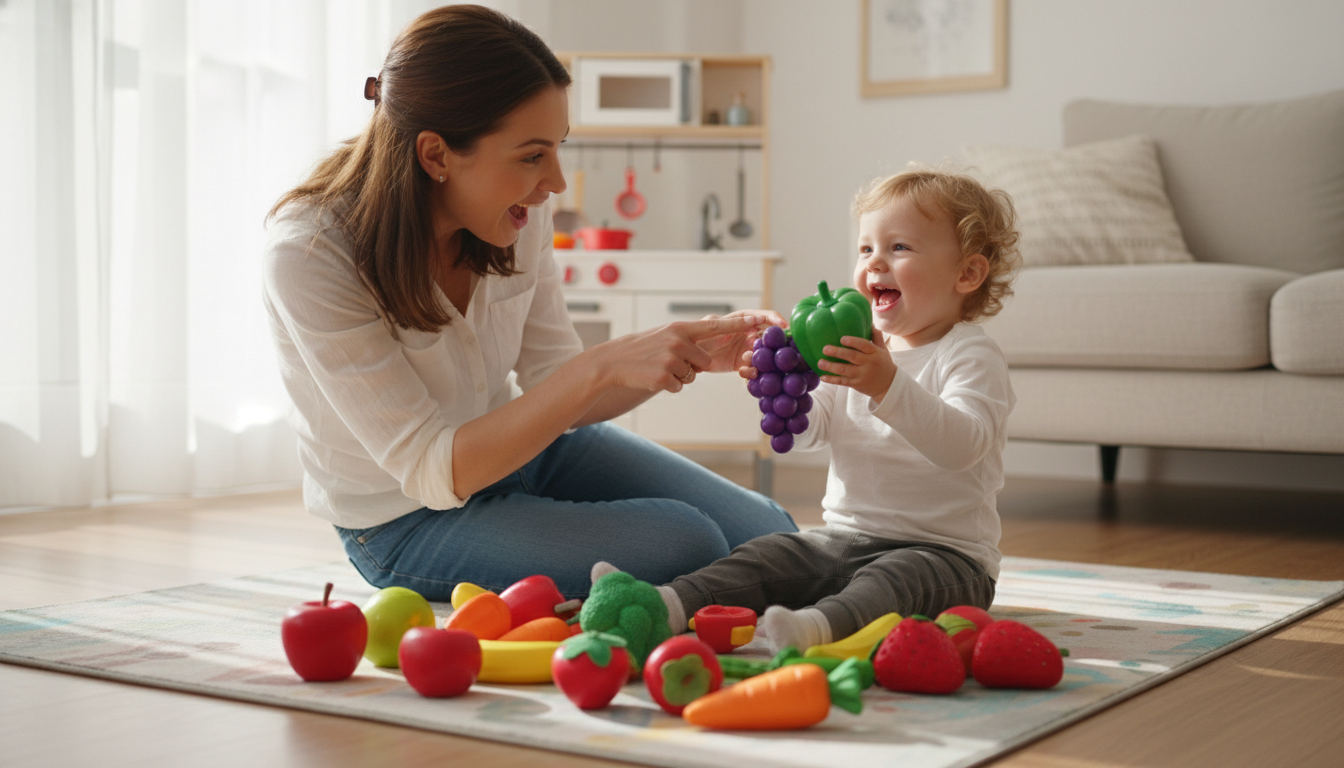
Focusing on delightful fruit and veggie play sets reveals a bouquet of benefits:
Boosting Fine Motor Skills & Hand–Eye Coordination
Think about little hands using a child-safe knife to "cut" a banana or carrot—it's an excellent workout for finger strength and dexterity that will help with handwriting, dressing, and self-feeding.[3] Coordinating eyes and hands during chopping or sorting exercises their brain-body connection.
Expanding Language and Vocabulary
The kitchen becomes a language playground where toddlers learn fruit and veggie names, describe colors and shapes, and create stories about their imaginary dishes. Expressions like "I need a slice of strawberry!" or "Let’s chop the green broccoli now!" naturally build their vocabulary.
Encouraging Cognitive and Problem-Solving Skills
Math creeps in when your child cuts an apple into halves or quarters, introducing early fraction ideas. Sorting fruits by color or choosing what to "cook" next enhances planning and categorization skills.
Growing Social-Emotional Skills
Playing chef or server teaches sharing, cooperation, and taking turns. Toddlers develop empathy and confidence as they navigate pretend social rules and lead play scenarios.
Sensory Exploration
Even without real smells, handling differently shaped and textured toy fruits offers rich sensory input important for brain growth. This sensory engagement can also inspire adventurous eating habits later.[5]
Spotlight on the Playkidz 32-Piece Fruit and Veggie Pretend Playset
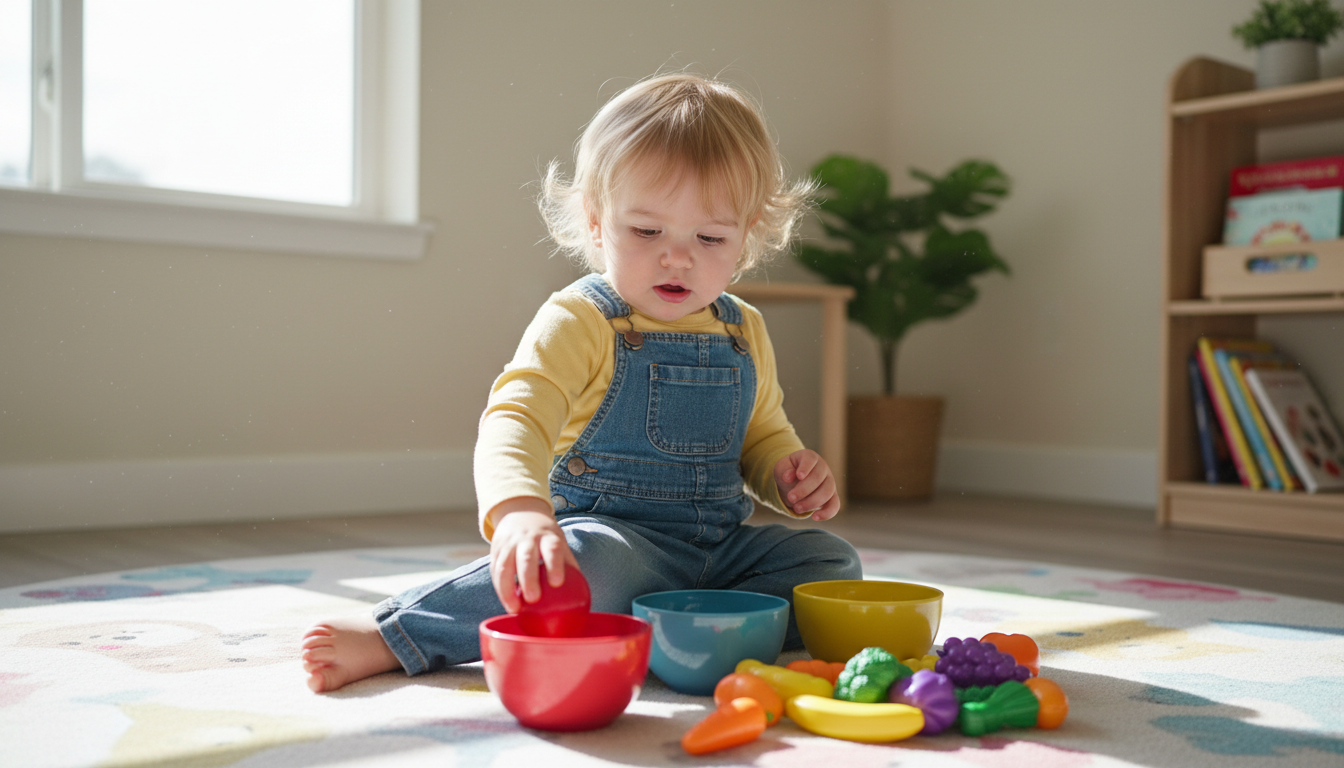
Looking for a star addition to your child's pretend kitchen? The Playkidz 32-Piece Fruit and Veggie Pretend Playset features colorful fruits and veggies—from bananas and carrots to broccoli and strawberries—with a child-safe knife and cutting board included.
This set invites toddlers to safely "cut" and reassemble their favorite foods, strengthening fine motor skills, hand-eye coordination, and problem-solving through active play. Like the Move2Play Interactive Baby Ball, which uses sensors to engage babies, the Playkidz playset sparks curiosity and imagination through tactile fun.
Whether your toddler is naming, sorting, chopping, or serving, this set brings pretend cooking delightfully close to real life.
What Experts Say About Pretend Play Kitchens and Toy Cutting Sets
Experts agree pretend kitchens offer powerful learning opportunities:
- The American Academy of Pediatrics highlights pretend play as essential for creativity, language, and social skills.[1]
- Occupational therapists emphasize that child-safe knives build precision and dexterity crucial for self-care and school readiness.[3]
- Developmental psychologists note symbolic play supports memory, problem-solving, and flexible thinking.[4]
- Sensory researchers find handling toy fruits aids sensory integration and encourages more adventurous eating.[5]
Pretend kitchens are more than play—they're miniature learning centers fostering skills, confidence, and social savvy.
Tips for Parents to Maximize Pretend Kitchen Play
- Jump Into Role Play Together: Become a customer or sous-chef in your toddler’s kitchen. Ask questions like, "What’s on today’s menu?" to inspire language and imagination.
- Blend Language and Numbers: Use pretend meals to count slices, name foods, and chat about colors—turning play into a learning fiesta.
- Connect Make-Believe with Real Life: After toy chopping, encourage supervised cutting of soft real fruits with kid-friendly knives to deepen sensory and practical skills.
- Keep Play Safe: Always supervise play with child-safe knives and teach safe handling to grow responsibility alongside creativity.
Before You Buy: Consider These Questions
- Does the set include a child safe toy knife and cutting board perfect for toddler hands learning kitchen skills?
- Are the play fruits and veggies diverse and realistic enough to fuel sensory exploration and vocabulary?
- Will the toy inspire your child to engage in imaginative kitchen play alone or with friends?
- How can you participate to expand learning and fun?
In Closing
Pretend play kitchen toys for toddlers are more than colorful plastic—they’re tiny classroo...