Spark Early Literacy Skills with Alphabet Alligators
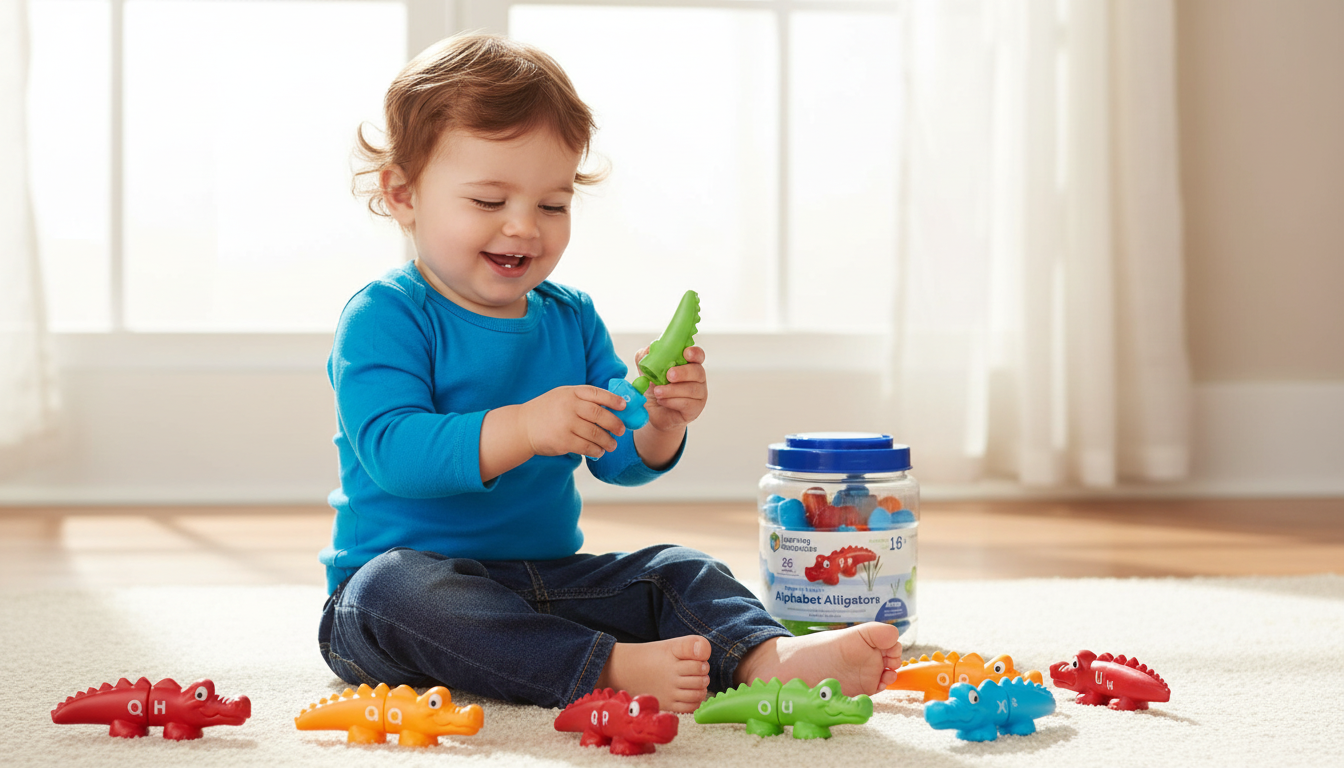
This interactive toy helps toddlers develop letter recognition, phonics, and fine motor skills through colorful snapping alligators. It encourages hands-on… — Amazon
Why Alphabet Recognition and Phonics Matter for Toddlers and Preschoolers
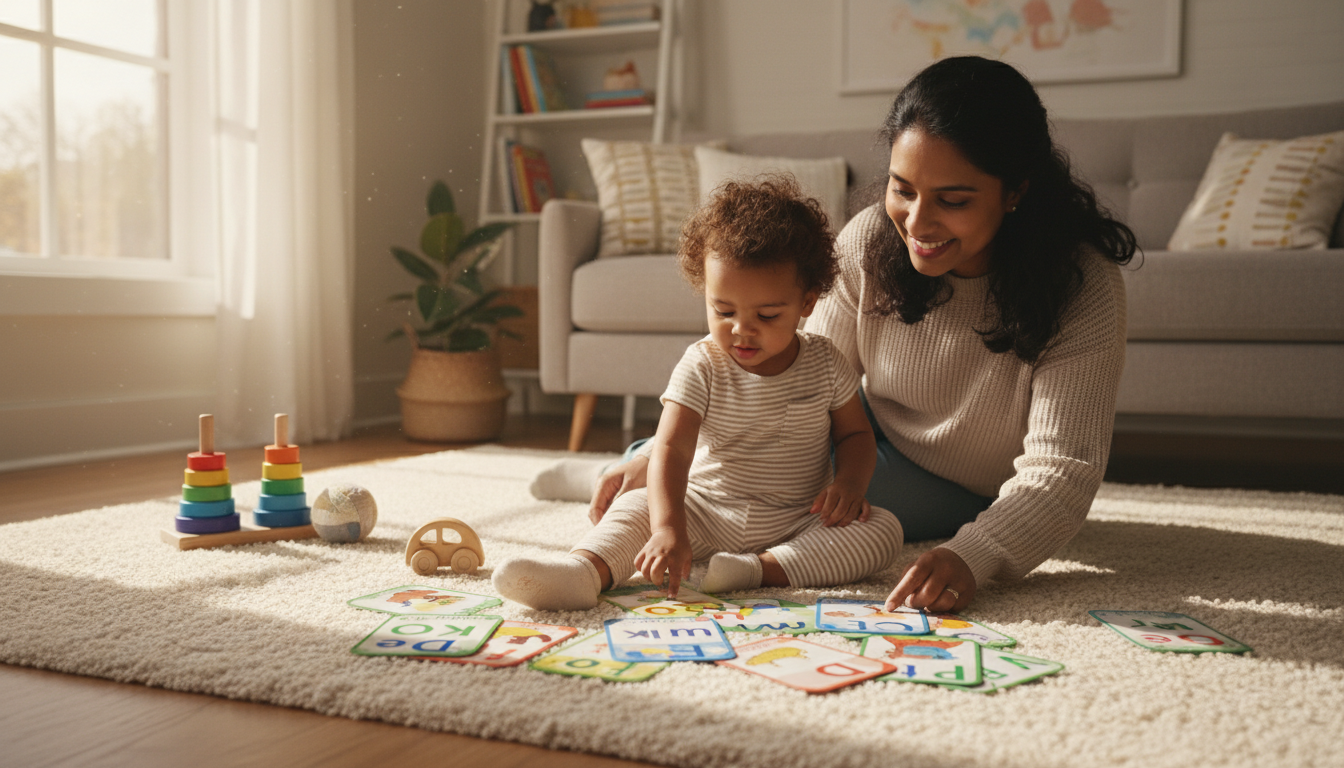
Mastering the alphabet isn’t just about memorizing letters; it’s about connecting those symbols to sounds and eventually words. Research supported by the American Academy of Pediatrics and the Education Endowment Foundation shows that early letter recognition combined with phonics skills is a strong predictor of reading success later on. Essential early literacy skills like phonemic awareness (hearing and manipulating sounds in words) and grapheme-phoneme correspondence (matching letters to sounds) help children decode unfamiliar words and build fluency.
Interactive tools that combine these connections, especially those offering multisensory experiences, engage children more deeply than passive observation alone. When phonics-based play is paired with adult interaction, it boosts letter knowledge and reading readiness—giving kids a head start before they enter formal schooling.
How Hands-On Play with Alphabet Toys Supports Literacy and Coordination
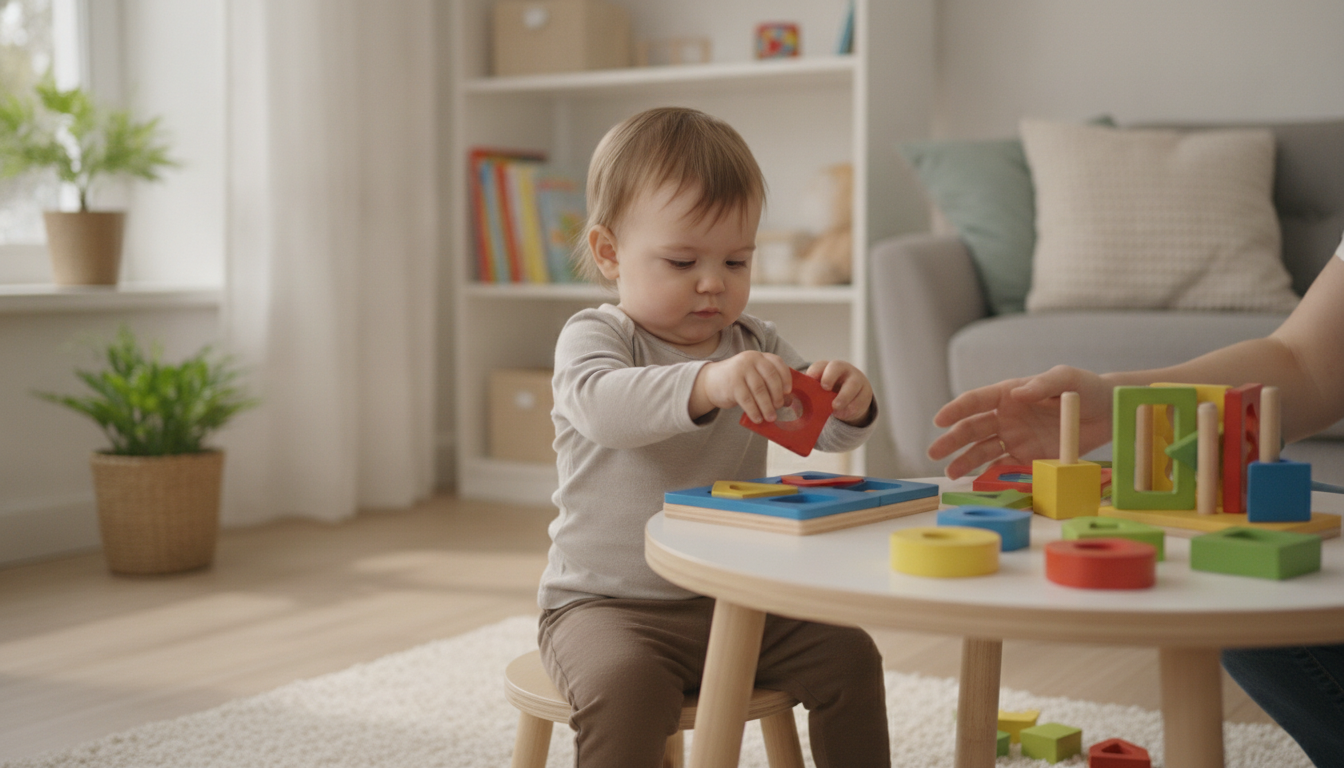
Educational toys that invite toddlers to handle pieces and connect shapes nurture several skills at once. Toys geared toward fine motor development build hand strength and coordination, which later supports writing. Likewise, sensory toys stimulate visual and tactile senses, helping focus and memory during letter learning.
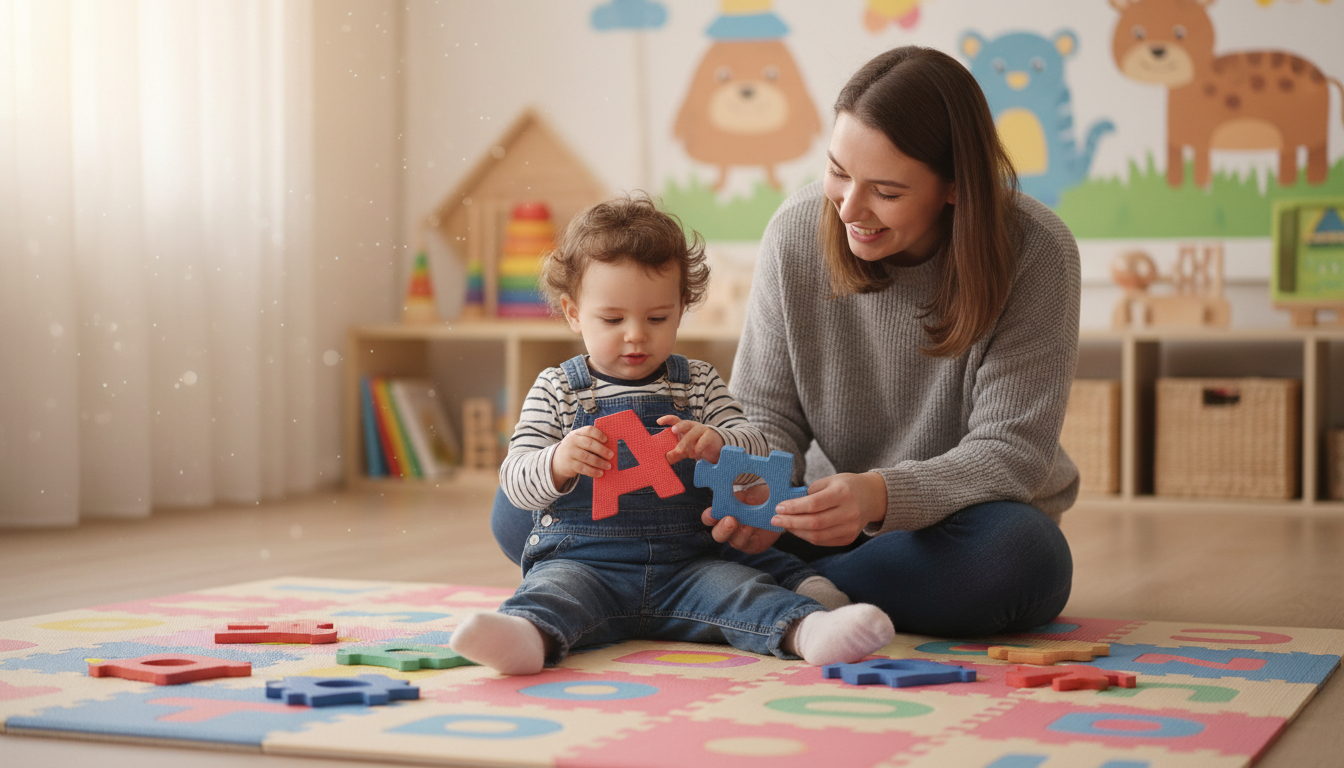
When children snap together alphabet pieces—matching uppercase to lowercase letters—they actively reinforce letter shapes and names. Seeing, touching, and hearing letters discussed during play links different learning pathways in the brain. Matching uppercase-lowercase pairs also strengthens alphabetic knowledge, a key foundation in preschool ABC activities for letter recognition.
Snap-n-Learn Alphabet Alligators: Hands-On Learning in a Snap
The Learning Resources Snap-n-Learn Alphabet Alligators are designed for kids ages 18 months to 6 years, making them an excellent educational toy for toddlers and preschoolers. The set includes 13 colorful alligator pieces, each featuring uppercase letters on one side and lowercase on the other. Kids snap together matching pairs, exploring letter shapes, uppercase-lowercase relationships, and colors — all in one playful package.
Here’s why parents and educators love these alligators:
- Letter Recognition & Alphabet Matching: Toddlers identify and snap matching uppercase and lowercase alligators, reinforcing letter names and shapes.
- Phonics & Language Development: Though the toy isn’t electronic, it opens doors for adults to introduce letter sounds, fostering early phonics skills.
- Fine Motor Skill Building: Snapping the pieces together and pulling them apart strengthens hand muscles and coordination, important for future writing.
- Sensory Engagement: Bright colors and a durable, tactile design provide sensory input that supports focus and memory.
The easy snap-apart and push-together mechanism suits small hands, encouraging independent play and repeated practice. Plus, the included container keeps tidy-up time quick and easy — perfect for busy families.
Practical Ways to Extend Learning with Alphabet Alligators

To get even more out of your Snap-n-Learn Alligators, try these simple activities that deepen literacy skills and fine motor development:
- Name That Letter: Call out a letter and have your child find and snap together the matching uppercase and lowercase alligator. Talk about the letter sound and words that start with it.
- Alphabet Order Challenge: Help your child line up the alligators in alphabetical order, practicing sequencing skills.
- Color and Count: Group the alligators by color, name the colors, and count how many alligators belong to each group.
- Sound It Out: Say a letter sound and have your child find the corresponding letter piece — blending phonics with play.
- Story Time Letters: Use the alligators to spell simple words from books you’re reading together, connecting print to meaning.
- Fine Motor Warm-Up: Let your child snap and unsnap the alligators as a warm-up before writing letters on paper.
These playful approaches help learning feel like discovery — not a chore — and fit easily into daily routines.
Safety and Age-Fit Considerations
The Snap-n-Learn Alphabet Alligators are designed for children 18 months through 6 years, covering important early learning stages. The pieces are made from smooth, durable plastic with no sharp edges, meeting appropriate safety standards for toddlers and preschoolers. However, supervision is recommended for children under 3 due to small parts that could pose a choking risk.
Be sure to regularly inspect the pieces for any wear and clean them as directed to keep things safe and hygienic.
Parent Takeaways
- Alphabet toys that combine letter recognition with fine motor play—like the Snap-n-Learn Alphabet Alligators—support early literacy and coordination effectively.
- Actively engaging with your child during letter play enhances phonics skills and helps connect letters to sounds.
- Selecting toys appropriate for your child’s age and abilities ensures safety, encourages repeated use, and matches developmental needs.
Conclusion: Snap, Learn, and Grow Together
Learning ABCs is an exciting milestone, and the right tools can turn early literacy into a hands-on adventure. The Snap-n-Learn Alphabet Alligators offer a bright, tactile, and engaging way for toddlers and preschoolers to explore letters, sounds, and coordination all at once. Playful letter activities like these build a strong literacy foundation, spark curiosity, and nurture confidence.
So gather those alligators, snap them up, and dive into joyful alphabet learning together today!
Sources:
American Academy of Pediatrics: Early Literacy Development
Education Endowment Foundation: Phonics Teaching Guidance
National Association for the Education of Young Children (NAEYC): Play and Learning
Research on Play-Based Phonics Instruction (various peer-reviewed studies)