The Power of Strategy Card Games for Kids’ Development
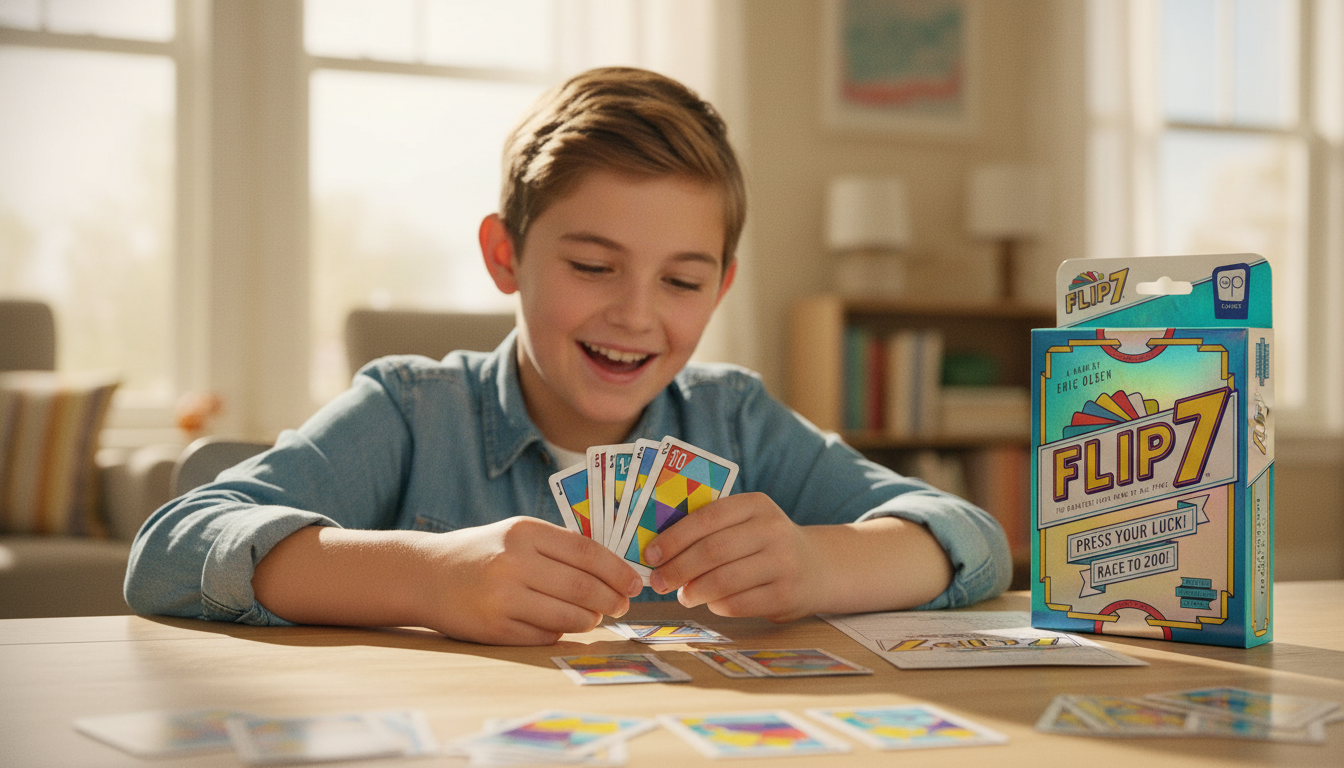
Flip 7 develops strategic thinking and decision-making as players press their luck avoiding repeats while flipping cards. It encourages concentration and risk… — Amazon
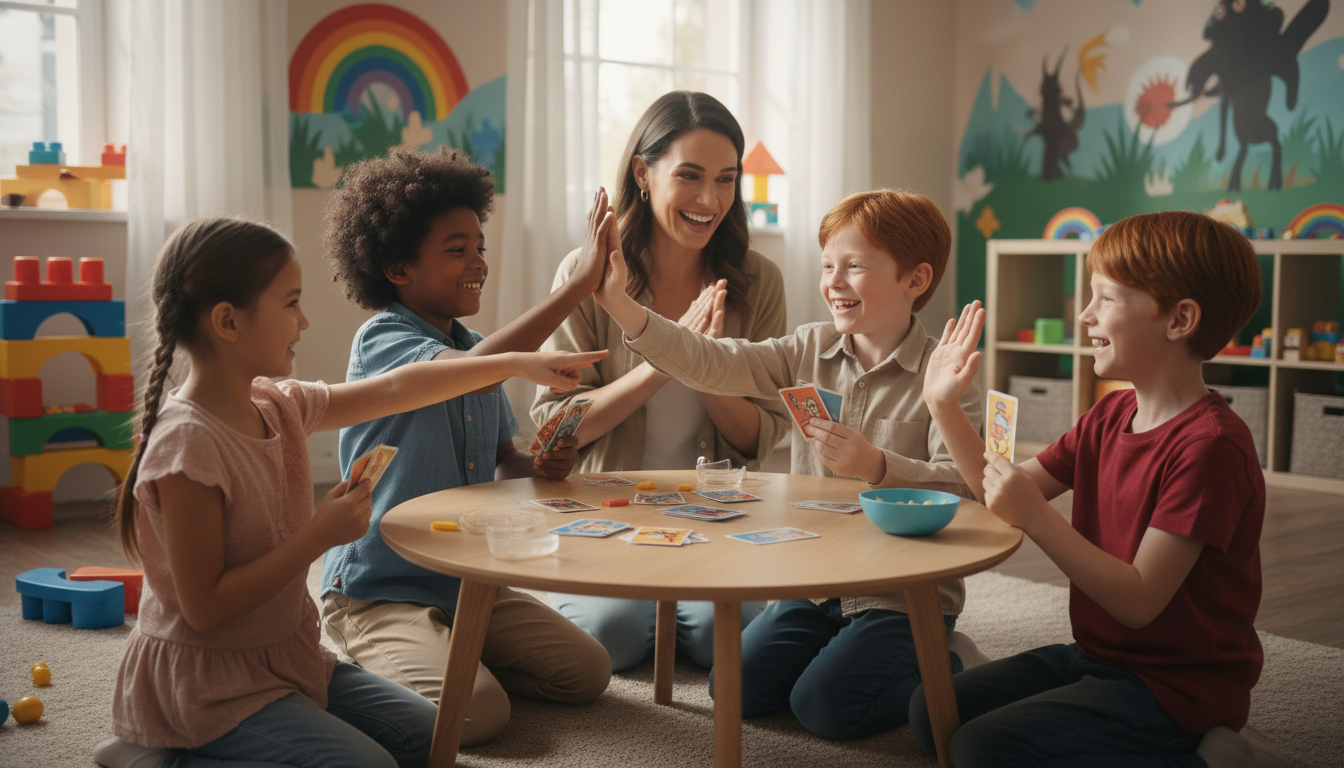
Picture this: family game night in full swing, with kids flipping cards eagerly and laughter filling the room every time someone takes a daring risk or scores a clever win. For children around ages 7 and 8, strategy card games aren’t just fun—they’re a dynamic brain workout where planning, memory, and social skills grow stronger.
Strategy card games for kids act like versatile tools that engage young minds in critical thinking, smart risk-taking, and quick decision-making—all wrapped in joyful play. When kids learn to balance risk and reward, pay attention carefully, and adapt on the fly, they’re building cognitive and emotional muscles that will serve them well throughout life. So, what makes these games such powerful developmental boosters? Let’s dive in and deal the facts.
Why Strategy Card Games Are Vital for Kids’ Growth
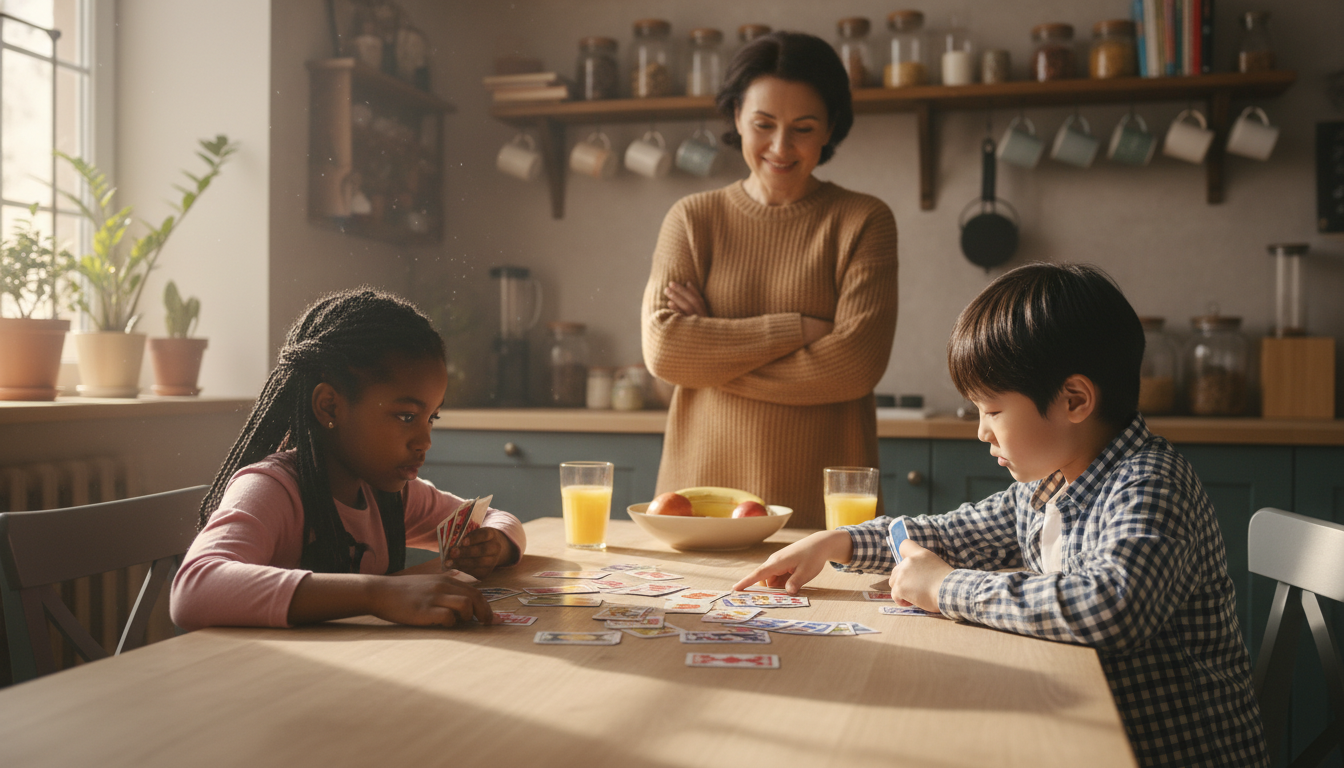
Before you tune out, here’s the quick scoop: strategy card games nurture essential skills kids need both in school and everyday life. Here’s how they help:
1. Boosting Critical Thinking and Problem-Solving
Watching your child plan moves ahead, predict possible outcomes, and decide which card to play next is watching problem-solving skills in action. These games sharpen cognitive flexibility—helping kids adjust strategies when the situation changes. This mental agility not only hones focus but also supports learning in math, reading, and creative storytelling.
2. Teaching Risk Assessment and Smart Decision-Making
Risk and reward aren’t just adult concepts; they’re at the heart of engaging kids’ card games. With press-your-luck elements, children practice when to play it safe and when taking a bold risk pays off. This nurtures valuable abilities in managing risk and controlling emotions, boosting confidence when facing uncertainty.
3. Strengthening Memory and Focus
Many card games double as memory builders, encouraging kids to recall what’s been played or guess opponents’ moves. This exercises working memory and sustained attention—critical executive functions that power success in academics and everyday tasks.
4. Supporting Social-Emotional Development
Card games serve up lessons in cooperation, patience, turn-taking, and good sportsmanship. Playing together helps kids express feelings, celebrate wins, and handle losses gracefully—key for emotional intelligence. Plus, chatting and cheering build communication and empathy skills.
5. Enhancing Numeracy and Pattern Recognition
Keeping score or spotting repeated numbers sneaks fundamental math practice into playtime. Kids develop number sense and spot patterns naturally—an exciting way to build early math skills!
Bottom line: Strategy card games offer so much more than entertainment—they’re engaging brain boosters across thinking, emotional, social, and math skills.
Spotlight on Flip 7: A Fast-Paced Game with Risk-Reward Thrills
Looking for a lively game that blends all these strengths? Meet Flip 7 Fast-Paced Addictive Card Game for 8+. This gem shines among interactive strategy games for children ages 7 and up, making family game nights exciting and enriching.
Flip 7’s simple premise packs a strategic punch—players flip cards one by one, avoiding revealing the same number twice each round. The unique deck has varying numbers of each card, creating suspense. Special cards add powers like freezing opponents or scoring bonuses, mixing strategy with luck throughout the game.
The fun twist: deciding when to “cash in” your points or risk flipping more cards builds sharp memory, quick judgment, and social savvy.
Flip 7 features:
- Fast-paced gameplay that keeps kids mentally engaged.
- Risk/reward dynamics fostering decision-making and emotional control.
- Social interaction encouraging friendly competition and communication.
Simply put, Flip 7 delivers a vibrant, brain-boosting experience wrapped in colorful cards.
What Experts Say About Strategy and Risk Games for Kids
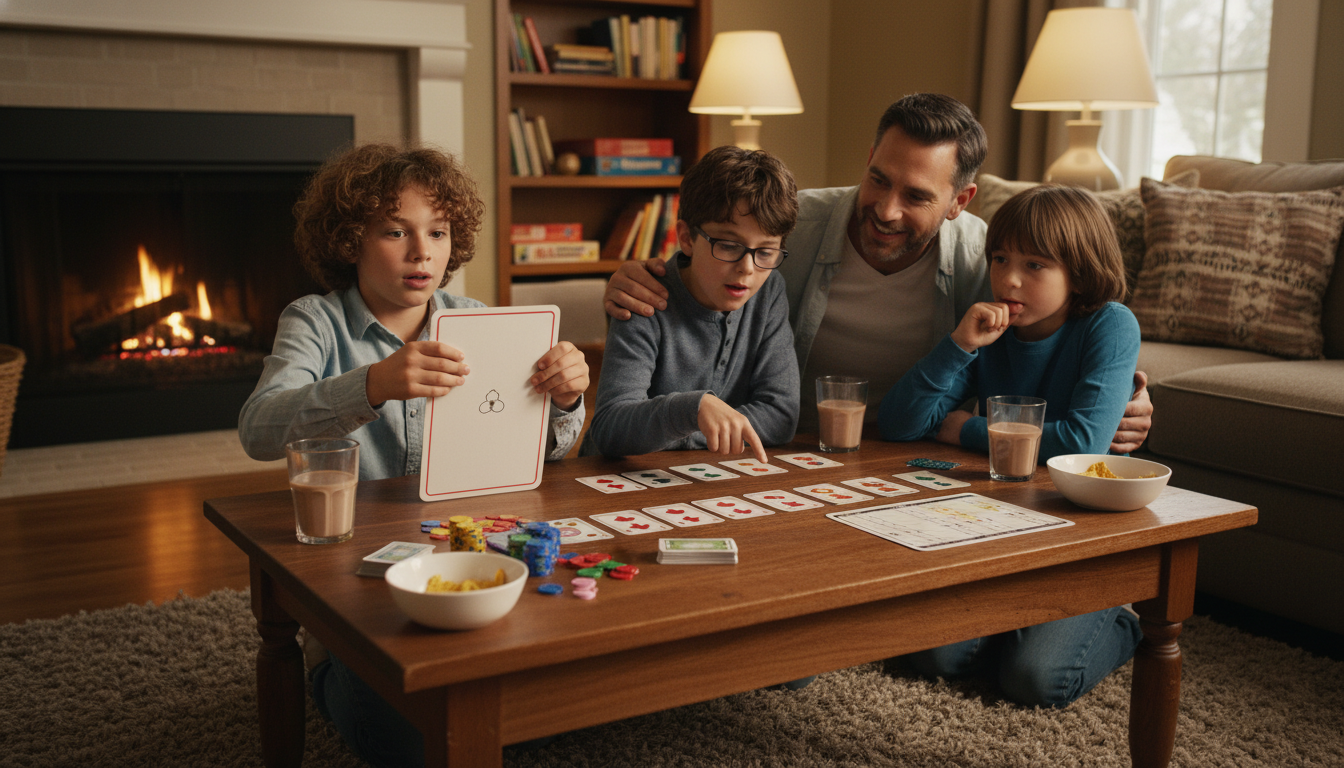
Developmental experts and the American Academy of Pediatrics highlight that games combining strategy with chance—like Flip 7—power up important brain functions:
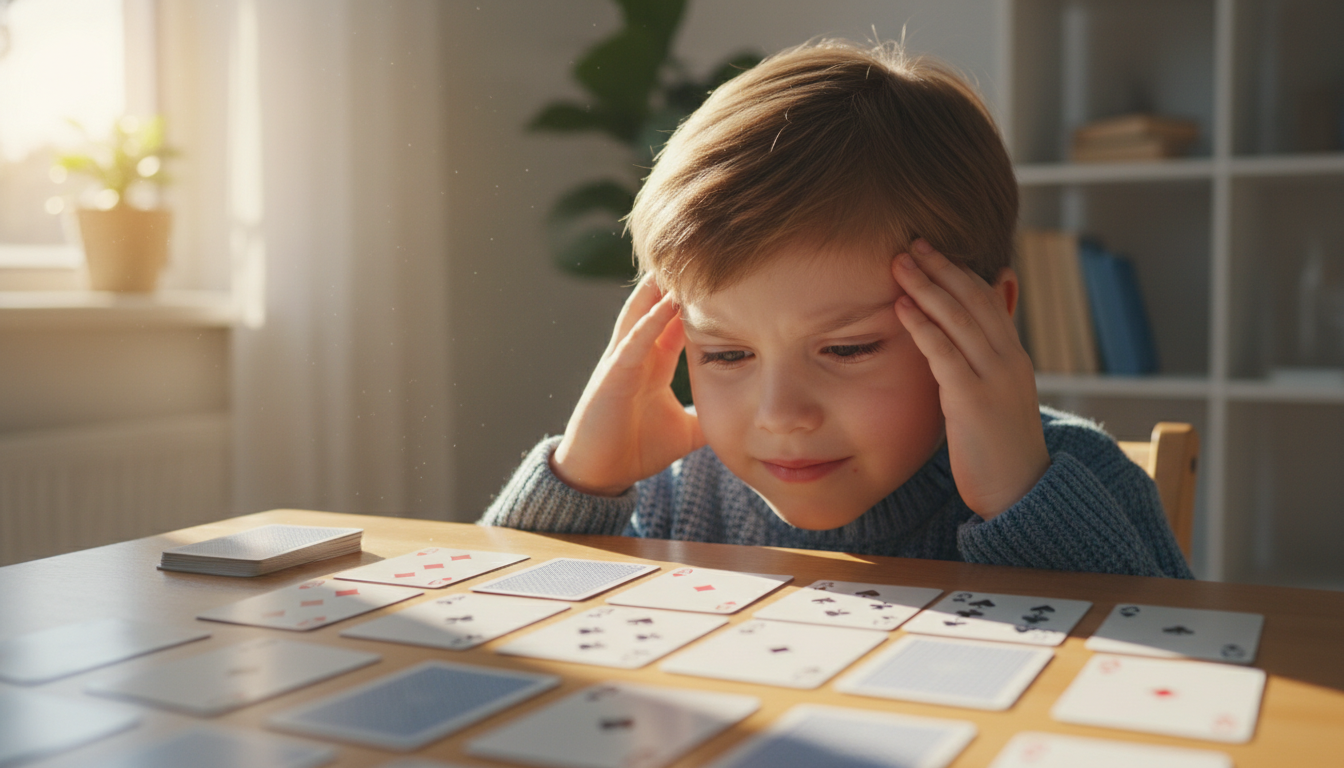
- Inhibitory control: practicing patience before the next move.
- Working memory: tracking played cards to plan ahead.
- Cognitive flexibility: adapting strategies when the game shifts.
Plus, these risk/reward games build resilience by allowing safe experiences with setbacks, fostering a growth mindset that encourages trying again. The emotional regulation learned here makes handling challenges at school and home easier.
Family game nights with interactive card games also strengthen bonds, helping kids manage competitive feelings while enjoying cooperative fun—a double win for emotional growth.
Bonus insight: multi-sensory engagement during play enhances learning retention. Just like toys that blend movement, music, and touch, card games stimulate sight, touch, and social cues, turning playtime into a powerful learning adventure.
In a nutshell: Experts agree these games nurture smart, emotionally aware kids while creating memorable family moments.
Tips for Parents Choosing Strategy Card Games
Want to pick the perfect card game? Here’s how to stack the deck in your favor:
- Balance luck and skill. Kids enjoy suspense but thrive when thoughtful choices matter.
- Choose simple rules with room to grow in strategy. Quick learning keeps frustration low and excitement high.
- Opt for family-friendly games. Playing together boosts social skills and buil...