Unlock Early Math and Motor Skills with Toys
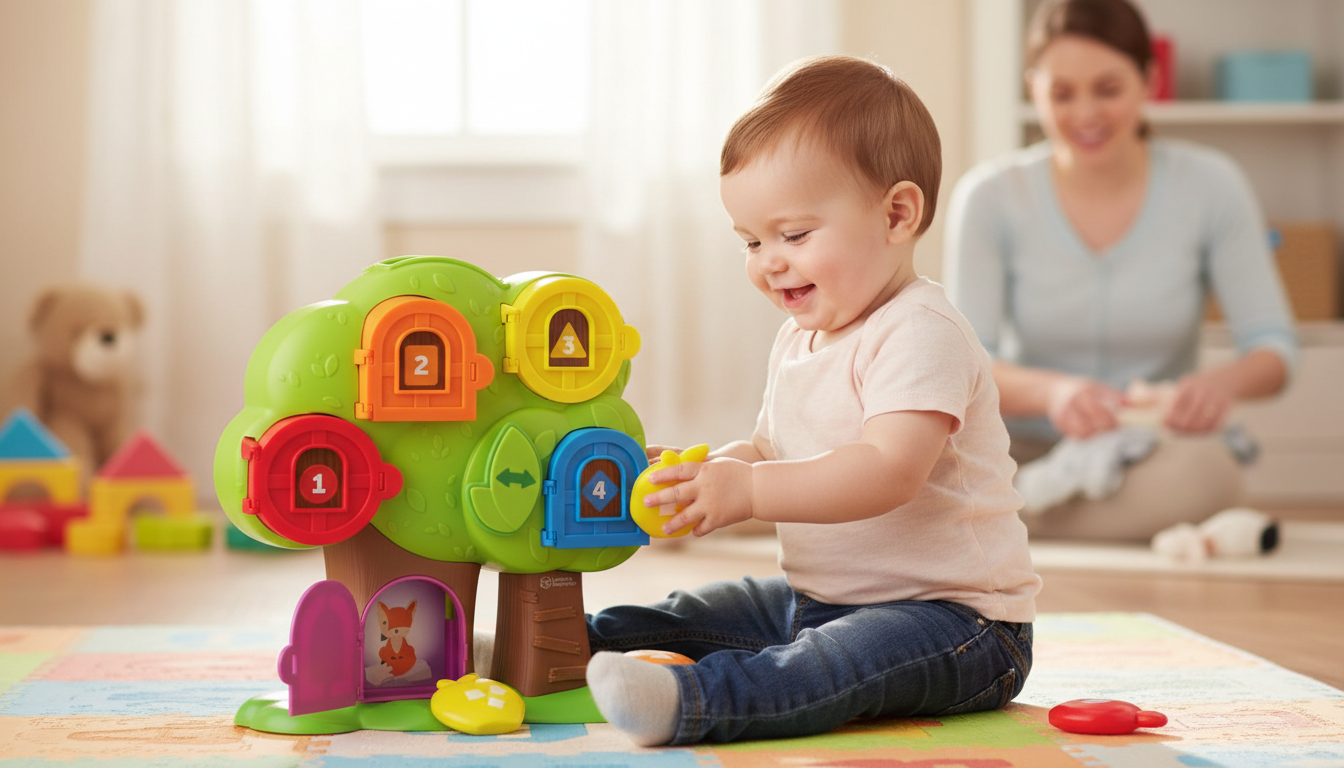
This engaging treehouse toy helps toddlers aged 2 and up develop fine motor skills, number and color recognition, and early math through interactive hide and… — Amazon
Why Early Math and Fine Motor Skills Matter

Between ages 2 and 3, toddlers experience a burst of brain growth that supports exciting new physical and cognitive milestones. The American Academy of Pediatrics highlights that early recognition of numbers and colors, alongside fine motor skills like grasping and manipulating objects, lays the foundation for future math learning and general school readiness. When toddlers engage in tactile activities such as sorting, matching, and counting, they not only build stronger problem-solving abilities but also develop a positive attitude toward math.
Fine motor skills deserve a shout-out of their own because they’re essential for controlling small muscles in the fingers and hands. This control helps toddlers with tasks beyond math: writing, drawing, dressing themselves, feeding, and more. Interactive learning toys for toddlers encourage these important movements joyfully and meaningfully, supporting well-rounded development.
How Interactive and Cause-and-Effect Play Boosts Learning
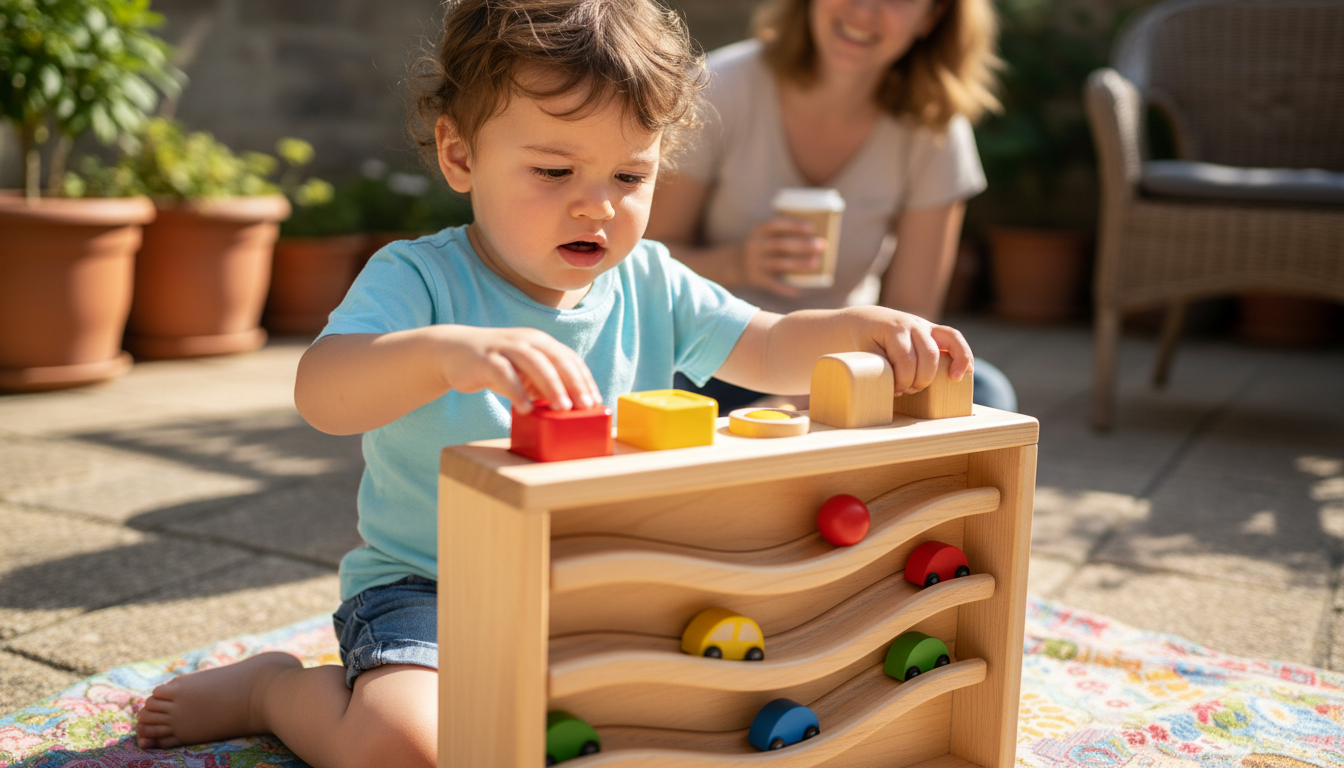
Toys that blend sensory input with cause-and-effect features—things like buttons to press, doors to open, chutes for tumbling objects, and puzzles to solve—are perfect for toddlers. These toys spark active engagement, which is crucial since toddlers learn best when they can physically connect an action with a visual or auditory response.
Cause-and-effect toys empower toddlers to predict outcomes and develop cognitive flexibility. Imagine your child flipping a switch and watching an apple roll down a chute—it’s not just fascinating, it’s an intuitive introduction to how things work. This process develops logical thinking and sharpens fine motor skills, all while planting seeds for basic scientific concepts.
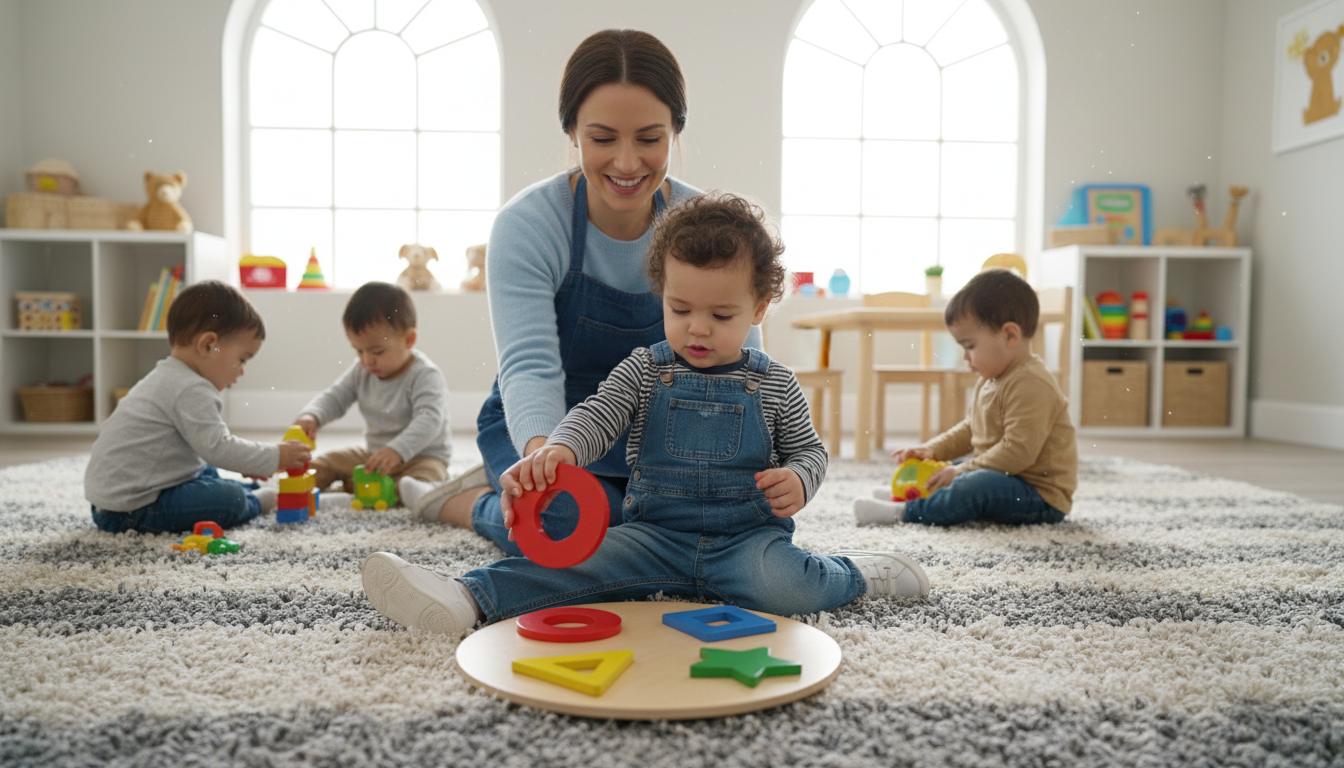
Shape matching games add another layer by boosting spatial reasoning and visual discrimination. When toddlers match colorful shapes and numbers, they practice math and color recognition in a format that feels like play—perfectly suited to their developmental stage.
Meet the Learning Resources Hide & Seek Learning Treehouse
A fantastic example of these concepts in action is the Learning Resources Hide & Seek Learning Treehouse. Designed for toddlers aged 2 and up, this toy invites your little one into a leafy forest world filled with numbers, colors, shapes, and friendly animals. It wraps early math and motor skills learning in an imaginative, playful package.
The treehouse features five numbered doors, each hiding an animal sticker—a classic hide-and-seek game toddlers adore. These doors also correspond to numbers, colors, and shapes, offering matching challenges that gently guide toddlers through early concepts of counting, sorting, and color recognition. For example, your child might match multi-colored apples to the correct door, effortlessly combining number and color learning.
A hidden chute at the top sends apples tumbling down, adding an exciting cause-and-effect element. Kids can flip a leaf-shaped switch to alter the apple’s path, encouraging problem solving and cognitive development. This interactive feature creates a stimulating, screen-free experience that aligns well with child development experts’ recommendations.
Because the treehouse requires opening doors, handling apples, and flipping switches, it naturally supports fine motor skill development. These movements help build dexterity and hand-eye coordination, both vital for future learning tasks such as writing.
Practical Ways to Extend Play and Learning at Home

Number and Color Scavenger Hunt: After playing, hide objects or cards that match the treehouse’s colors and numbers around the house. Challenge your toddler to find and name them. This adds movement and context to number and color recognition.
Counting Chore Helpers: Use apples, blocks, or small toys to encourage basic counting by asking your child to place the right number of items into bins or baskets labeled with numbers matching the treehouse doors.
Storytime Adventures: Make up stories about the forest animals hiding in the treehouse. Name their colors, numbers, or shapes as you go. It’s a simple way to boost language skills and spark imagination alongside math learning.
Shape Sorting Crafts: Grab household items of various shapes and colors, then encourage your toddler to sort, match, or count them. This hands-on play mirrors the sensory sorting and matching found in the toy.
Safety and Age Recommendations
The Learning Resources Hide & Seek Learning Treehouse is crafted for toddlers aged 2 and up, making it developmentally appropriate as they begin exploring colors, numbers, and shapes. When choosing any fine motor skill toys for 2-year-olds, ensure pieces are large enough to avoid choking hazards and made of durable, non-toxic materials. Supervision during play is always a wise move to keep exploration safe and fun.
Parent Takeaways
- Interactive, hands-on toys promote stronger early math and fine motor skills by encouraging toddlers to connect movement with cause and effect.
- The Hide & Seek Learning Treehouse offers a rich learning experience that combines number and color recognition with shape matching, sorting, and cause-and-effect play—all without screens.
- Parents can easily boost learning at home by turning toy activities into scavenger hunts, counting chores, storytelling, and shape-sorting crafts that weave education into everyday moments.
In Closing
Supporting your toddler’s growing mind and body through playful learning prepares them for preschool and beyond with confidence. The Hide & Seek Learning Treehouse provides a vibrant, engaging space where early math, color recognition, problem-solving, and fine motor skills come to life. With its inviting shapes, bright colors, and fun cause-and-effect mechanics, it’s a welcoming place for discovery and imagination. So why not let your child’s learning grow on this leafy little treehouse? Happy playing and learning!
References:
American Academy of Pediatrics. "Developmental Milestones: 2 Years." aap.org
Zero to Three. "Supporting Early Math Skills Through Play." zerotothree.org
National Association for the Education of Young Children (NAEYC). "The Importance of Fine Motor Skills." naeyc.org
BeginLearning.com. "Number Recognition Games Your Preschooler Will Love."
MontessoriActivitiesAtHome.com. "12 Number Recognition Activities for Toddlers & Preschoolers."