Why Board Games Boost Kids’ Skills
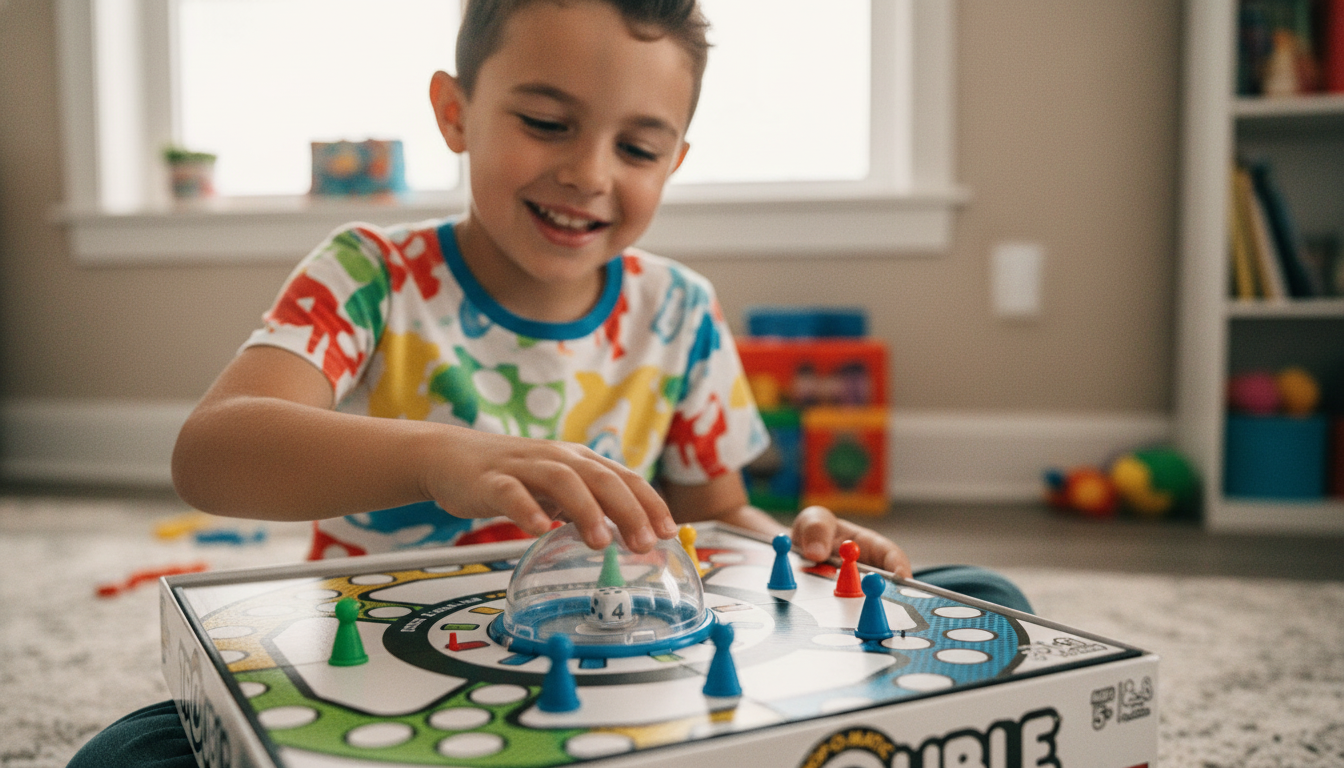
This classic Trouble board game encourages kids to develop strategic thinking and social skills while having fun racing and popping the die. It’s a great way… — Amazon
Developmental Benefits of Interactive Family Board Games
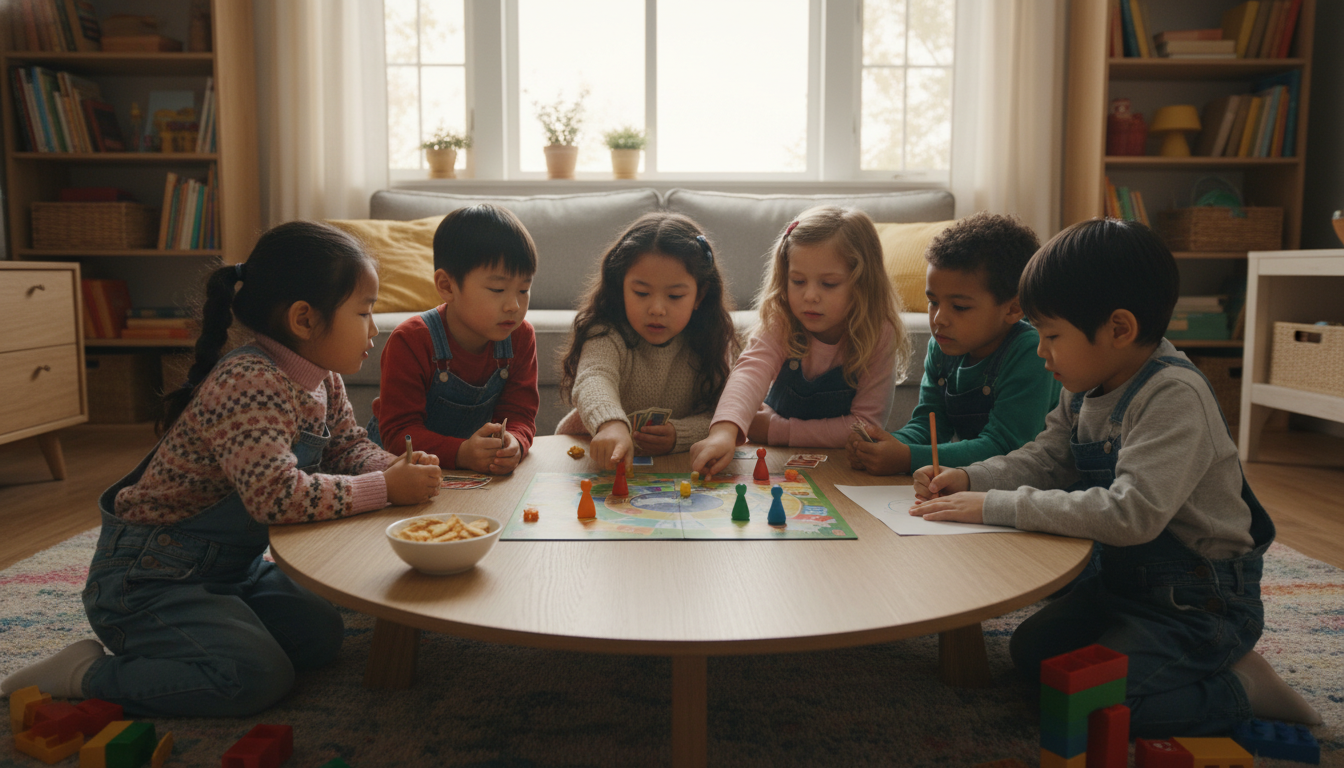
Imagine family game night: your 5-year-old leans in, eyes sparkling, finger ready to press the pop-o-matic dice roller. Laughter fills the room, and beneath all that fun, something incredible is happening. Tiny hands and curious minds are gaining superpowers—strategic thinking, social skills, and fine motor coordination.
Who would’ve thought a board game could be a secret classroom wrapped in giggles? Let’s explore why these skills are crucial for kids ages 5 and up, and how a favorite like the Hasbro Trouble Board Game fits perfectly into this learning journey.
Spotlight on Hasbro Trouble Board Game for Kids Ages 5 and Up
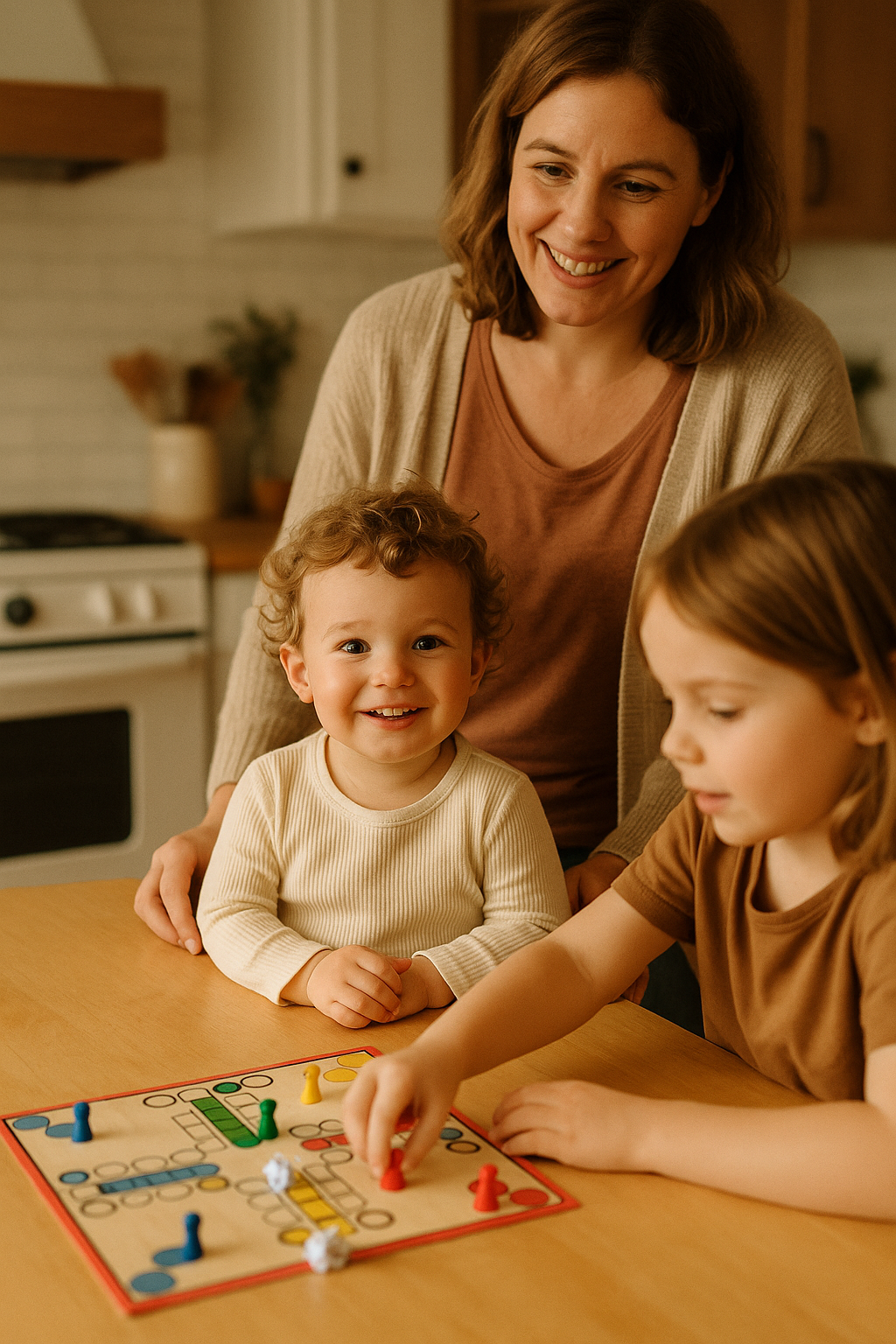
No conversation about developmental board games is complete without mentioning the iconic Hasbro Trouble Board Game. This classic is packed with growth opportunities:
- Strategic thinking: Racing pegs safely around the board involves problem-solving and forward planning.
- Social skills: Taking turns and following rules foster patience, respect, and teamwork.
- Fine motor development: The signature Pop-O-Matic bubble is a fun, engaging way to strengthen fingers and coordination.
- Emotional resilience: Winning and setbacks teach kids to celebrate, cope, and keep trying—wrapped in family fun.
Imagine the giggles and excitement as that dice bubble pops! It’s interactive play at its very best.
What Research Says About Board Games and Child Growth
Science confirms what playful parents see:
- Experts including the American Academy of Pediatrics agree that games with rules develop executive functions such as attention control and working memory.
- Social game play boosts empathy, patience, and collaboration.
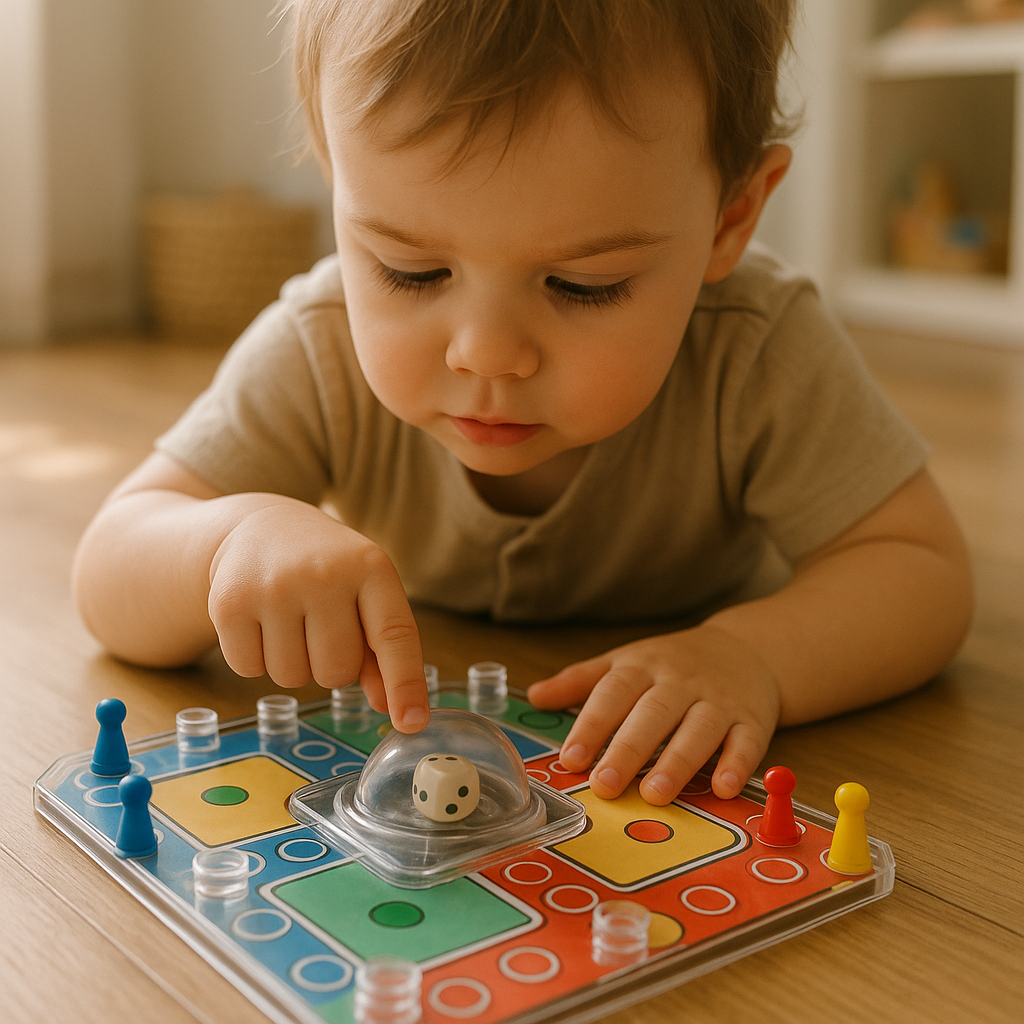
- Repetitive, hands-on play—like popping dice bubbles—supports fine motor skill building, vital for handwriting and everyday tasks.
- Family game nights unplugged from screens improve mood, sleep, and deepen bonds.
- Many educational games for ages 5+ blend math, language, and reasoning naturally—making learning feel like magic.
Classic games like Trouble continue proving that timeless play supports lifelong skills.
Tips for Parents Choosing Board Games for Kids Ages 5 and 6
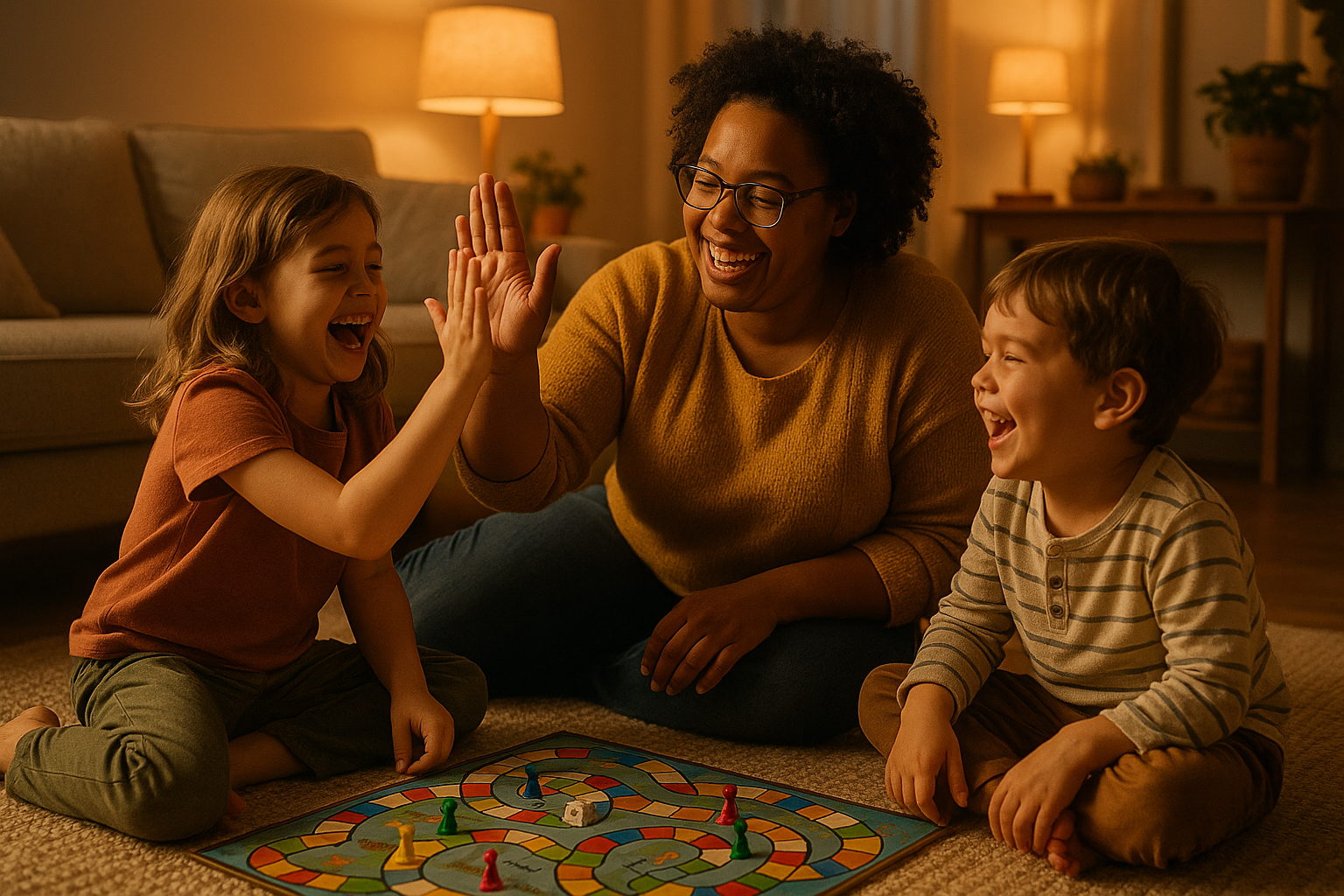
Ready to pick the perfect game night hit? Keep these in mind:
- Choose games with clear, meaningful rules that challenge without overwhelming.
- Look for tactile elements like pop-o-matic dice or small pieces to boost fine motor skills.
- Find games encouraging social skills—turn-taking, light competition, or teamwork enrich play.
- Select family-friendly titles everyone enjoys, creating lasting bonds and modeling sportsmanship.
- Keep sessions fun and brief, but regular—consistency builds skills and creates cherished traditions.
Pro tip: Use playtime to chat about strategies and feelings. Asking, "What do you think will happen if you move here?" turns fun into a mini brain workout.
Why Strategic Thinking, Social Skills, and Fine Motor Development Matter in Games for Kids Ages 5 and Up
By age 5 and 6, kids move beyond random moves to thinking ahead and asking themselves, "What if?" Strategic thinking flexes their brains like a mini gym workout, honing anticipation, planning, and adapting skills.
- They consider: “Should I move this peg now or wait?” or “If I land here, will I get sent back to start?”
- Board games teach patience and cause-and-effect while keeping the fun alive.
- The American Academy of Pediatrics highlights that games nurturing strategy boost executive functions like planning and self-control—building blocks for future success.
Social and Emotional Growth: More Than Taking Turns
Board games serve as tiny social classrooms where your child learns:
- Patience through turn-taking: Waiting their turn strengthens impulse control.
- Handling wins and losses gracefully: Saying “Good game” builds emotional resilience—even if there’s a little drama!
- Communication and teamwork: Talking strategies, negotiating moves, and celebrating clever plays grow empathy and language skills.
These moments cultivate kindness, cooperation, and good sportsmanship—all wrapped in joyful play.
Fine Motor Skills and Hand-Eye Coordination: Building Dexterity Through Play
It’s not just their brains getting stronger—hands are busy too!
- Picking up and moving tiny pieces improves finger dexterity.
- Pressing the pop-o-matic dice roller requires precise, controlled movements that build hand strength.
- Occupational therapists often recommend this playful pressing to support fine motor skills—hello, future handwriting stars!
Bringing Family and Learning Together Through Play
Games like the Hasbro Trouble Board Game for Kids Ages 5 and Up offer the perfect mix of strategic thinking, fine motor growth, social learning, and joyful connection. These screen-free moments are golden chances for your child to develop both their brain and heart.
Incorporating educational and fun indoor games into your routine gifts your child a lifelong love of learning disguised as play, plus treasured time with loved ones.
So next time you hear that satisfying pop from the dice roller, remember: it’s not just a game. It’s a step toward critical skills that last a lifetime.